5W vs 20W vs 30W iPhone Charger: Which One Actually Charges Faster?
A 20W or 30W iPhone charger is much faster than a 5W charger. While a 5W adapter can take over 3 hours to fully charge an iPhone, a 20W USB-C charger can reach around 50% in about 30 minutes. A 30W charger is only slightly faster than 20W because iPhones limit their charging power.
Introduction
If you still have the old 5W “small square” iPhone charger, you might be wondering:
👉 Is upgrading to a 20W USB-C power adapter or even a 30W charger really worth it?
The short answer is yes—but not always in the way you expect.
Charging speed isn’t just about the number printed on the charger. It depends on how your iPhone manages power through USB-C Power Delivery (PD) and how its internal charging curve behaves.
How iPhone Fast Charging Actually Works
Modern iPhones don’t charge at a constant speed from 0% to 100%.
Instead, they follow a dynamic charging curve:
• high power at low battery levels
• gradually reduced speed after ~50–80%
• slower trickle charging near full
This means:
👉 The “fastest charger” is the one that can quickly reach the iPhone’s peak power window and sustain it efficiently.
For most recent models (iPhone 14, 15, and newer), peak charging power typically sits around 20W–27W.
5W vs 20W vs 30W: Real-World Charging Speed
Charging Speed Comparison
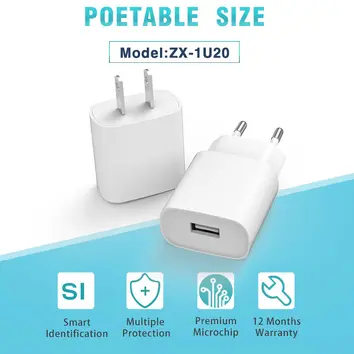
• 5W charger → very slow, outdated
• 20W USB-C charger → fast, optimized for iPhone
• 30W charger → slightly faster, but limited gains
Real Charging Performance
In real-world usage:
• After 30 minutes
• 5W → ~10–20%
• 20W / 30W → 50%+
Full charge time
• 5W → ~3–3.5 hours
• 20W → ~1.5 hours
• 30W → slightly faster than 20W
👉 The biggest upgrade is from 5W to 20W—not from 20W to 30W.
Why 5W Chargers Are No Longer Practical
The classic 5W charger was designed for older iPhones with smaller batteries.
On modern devices like:
• iPhone 14 charger type
• iPhone 15 charger type
• iPhone 16 / iPhone 17
…it becomes a major bottleneck.
Because:
• it cannot deliver enough power
• it prevents fast charging from activating
• it wastes time in daily use
👉 Its current positioning is...:
✔ only suitable for overnight slow charging
✔ backup charger
Read More
20W USB-C Power Adapter: The Best Daily Choice
The 20W USB-C power adapter is widely considered the optimal choice because it:
• matches iPhone fast charging limits
• delivers stable performance
• offers the best balance of speed and cost
👉 Actual experience:
A short 30-minute charge can give you around 50% battery, which is enough for several hours of use.
👉 Also compatible with:
• iPhone 14 / 15 / 16 / 17
• Apple iPad charger scenarios
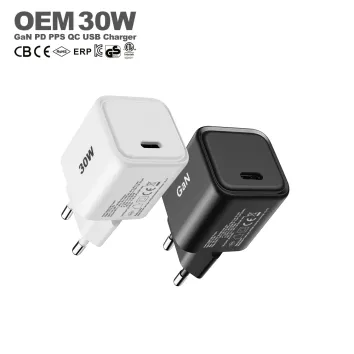
It delivers more precise voltage control and improved charging efficiency, making it ideal for modern smartphones and fast-charging ecosystems.
As a 30W charger manufacturer solution, this model is engineered for OEM projects, brand customization, and high-volume supply, combining stable performance with advanced protocol compatibility.
Read More
20W vs 30W: Is More Power Worth It?
This is where most people get confused.
A 30W charger does NOT charge your iPhone twice as fast.
Why?
👉 Because your iPhone controls how much power it accepts.
Even with a 30W charger: the phone usually draws ~20–27W max
👉 Result:
30W is only slightly faster than 20W
difference = a few minutes, not dramatic
A 30W charger offers marginal gains because the iPhone itself limits charging speed.
Why 30W Chargers Still Make Sense
Even though the speed gain is small, 30W chargers still have value:
• charge iPhone + iPad
• support small laptops
• future-proof for multiple devices
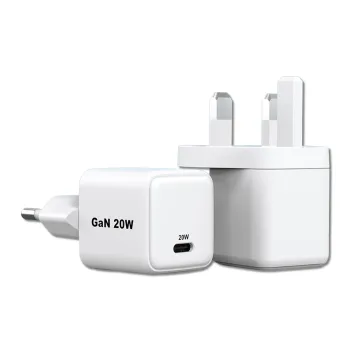
Built with GaN technology and synchronous rectification, it delivers reliable PD fast charging performance in a small form factor, making it ideal for brand owners, distributors, and retail channels requiring consistent quality and scalable manufacturing.
Read More
👉 Real feedback from Reddit users is similar:“iPhone 15 draws around mid-20W even with a 30W charger.”
USB-C PD: The Technology Behind Fast Charging
Fast charging works because of USB-C Power Delivery (PD).
Unlike old chargers:
• device and charger communicate
• power is dynamically adjusted
• safety is controlled in real time
👉 Key Conclusions:A higher wattage charger will not force extra power into your iPhone.
Zonsan Engineering Insight
As a professional charger manufacturer, Zonsan focuses on optimizing 20W and 30W USB-C PD chargers for real iPhone charging behavior.
Instead of chasing higher wattage numbers, Zonsan engineers tune:
• PD protocol stability
• thermal performance
• real-world charging efficiency
OEM Charger Factory Perspective
For brands and distributors:
👉 The most practical product strategy is:
• 20W → core iPhone charger
• 30W → multi-device / premium upgrade
In today’s market, phone charger manufacturers and PD charger factories prioritize:
• compact GaN design
• global certifications
• stable fast charging output
Market Trend: Why 20W–30W Dominates
The fast charging market has clearly shifted:
• Apple no longer includes chargers
• users demand faster charging
• USB-C ecosystem is expanding
👉 Result:
20W–30W chargers have become:
✔ standard retail products
✔ OEM best-sellers
✔ cross-device solutions
Final Verdict
If you want the real answer:
• 5W → outdated
• 20W → best choice for iPhone
• 30W → slightly better + more flexible
👉 The real upgrade is moving from 5W to 20W. Everything beyond that is incremental.
FAQ (People Also Ask)
Q1: Is a 30W charger faster than 20W for iPhone?
Only slightly, because iPhone limits power intake.
Q2: What is the best charger for iPhone 15 or iPhone 16?
A 20W USB-C PD charger is the best option.
Q3: Can I use a 30W charger for iPhone?
Yes, it is completely safe.
Q4: Why is my iPhone still charging slowly with 20W?
Temperature, cable quality, or background usage may affect speed.
Q5: Is 5W charging better for battery health?
It produces less heat, but the difference is minimal for most users.
Q6: Can one charger work for iPhone and iPad?
Yes, especially 20W or 30W USB-C chargers.