Best Charger Guide: How to Safely Charge Power Banks, Bluetooth Earbuds & Everyday Gadgets
From power banks and Bluetooth earbuds to smartwatches, portable speakers, gaming devices, and mini fans — we rely on them for work, travel, and entertainment.
Yet many users still struggle with simple but frustrating questions:
• Why is my power bank charging so slowly?
• Can I use any charger for my earbuds?
• Is fast charging harmful for small devices?
Let’s break everything down clearly.
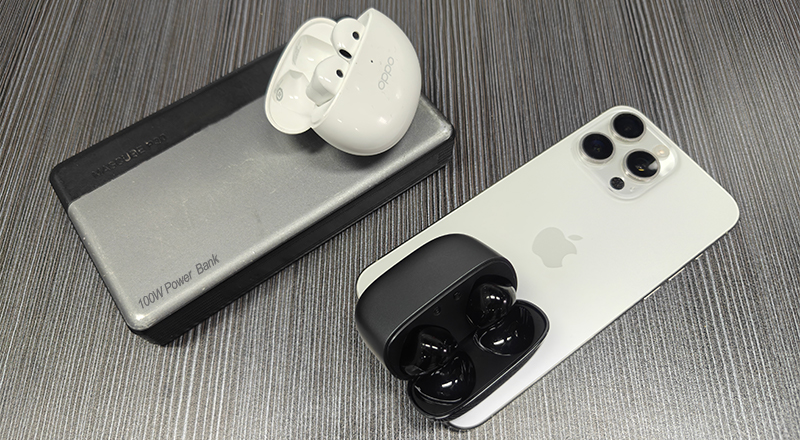
Introduction: Not All Chargers Work the Same
At first glance, a charger looks simple — plug in, charge, done.
But real-life experience tells a different story:
• A power bank that takes forever to recharge
• Earbuds that feel slightly warm
• Devices that randomly stop charging
• Battery percentage behaving strangely
These problems are extremely common and often misunderstood.
Most of the time, the issue is not the device, but:
✔ Charger mismatch
✔ Cable quality
✔ Charging protocol incompatibility
Why Choosing the Right Charger Matters
A charger is more than just a power adapter.
Using an incompatible or low-quality charger may lead to:
✔ Slow charging speeds
✔ Excess heat generation
✔ Charging instability
✔ Battery stress over time
✔ Reduced battery lifespan
In rare situations, unsafe chargers may even create serious safety risks.
Key Insight: Many charging frustrations are caused by power negotiation failures between charger and device.
What Is a Charger (Definition Snippet Style)
A charger is an electronic power conversion device that:
• Converts AC wall electricity into DC output
• Regulates voltage and current precisely
• Communicates with devices via protocols (PD / QC / PPS / etc.)
• Protects batteries from overcurrent, overheating, and short circuits
Without these control mechanisms, modern lithium batteries would degrade rapidly.
Real-World Examples: Why Charging Problems Occur
Scenario 1: Slow-Charging Power Bank
You connect a large-capacity power bank to an old 5W charger.
What happens?
❌ Extremely slow charging
❌ May require 8–12+ hours
❌ Inefficient energy conversion
Why?
High-capacity batteries require higher input power to recharge efficiently.
Better Solution: Use an 18W–45W PD charger
Scenario 2: Warm Bluetooth Earbuds
You use a high-power laptop charger.
Result:
⚠ Slight warmth (usually normal)
Explanation:
Earbuds only draw minimal power, but heat can occur if:
• Charger regulation is unstable
• Cable resistance is high
• Energy conversion is inefficient
Better Solution: Use a stable USB-C PD or quality USB-A charger
Scenario 3: Device Won’t Charge
Charger works. Cable looks fine.
But:
❌ Charging doesn’t start
❌ Connection drops
Likely Cause: Low-quality cables missing proper data pins or current capacity.
Fix: Switch to a certified cable.
How to Charge Devices Correctly (How-To Snippet)
Step 1: Check device input requirement (example: 5V/2A, 9V/2A)
Step 2: Choose charger with matching output & protocol
Step 3: Use high-quality cable
Step 4: Avoid counterfeit / ultra-cheap chargers
Step 5: Ensure ventilation while charging
These small steps prevent:
✔ Heat buildup
✔ Battery stress
✔ Charging inefficiency
Best Charger Selection Guide
For Power Banks
Recommended:
✔ 20W–45W charger
✔ USB-C PD / PPS support
Why?
• Faster recharge cycles
• Higher efficiency
• Lower heat generation
• Better compatibility with modern devices
For Bluetooth Earbuds
Recommended:
✔ 18W–30W charger
✔ Stable voltage regulation
Good News: Both USB-A and USB-C chargers work if quality is reliable.
For Multiple Gadgets
Recommended:
✔ 45W–65W multi-port charger
✔ PD + QC + PPS compatibility
Benefits:
• Charge phone + earbuds + power bank together
• Smart power distribution
• Ideal for travel & desk setups
Common Daily Charging Mistakes
❌ Using 5W charger for large power banks
❌ Charging with damaged cables
❌ Blocking airflow (charging inside bags/pillows)
❌ Using counterfeit chargers
❌ Ignoring abnormal heat
These habits gradually reduce battery health.
What Makes a High-Quality Charger
Professional charger designs focus on:
✔ Precision voltage/current control
✔ Multi-protocol support (PD / QC / PPS / AVS)
✔ High conversion efficiency
✔ Thermal management
✔ Safety protections:
• Over-Voltage Protection (OVP)
• Over-Current Protection (OCP)
• Over-Temperature Protection (OTP)
• Short-Circuit Protection (SCP)
Factory-Level Advantages (For Brands & Buyers)
Working with an experienced charger manufacturer ensures:
✔ Stable electrical performance
✔ Reliable safety protection
✔ Lower failure & return rates
✔ Compliance with CE / FCC / RoHS / etc.
✔ Consistent production quality
This is especially critical for:
• Consumer electronics brands
• E-commerce sellers
• OEM / ODM projects
Why Many Brands Work with Zonsan
Zonsan develops chargers optimized for:
✔ Portable electronics
✔ GaN efficiency
✔ Fast-charge stability
✔ Multi-device compatibility
✔ OEM / ODM customization
Their products are widely selected for:
• Power bank bundles
• Mobile Phone & Earbud accessories
• Travel chargers
• Retail & online markets
Conclusion
Charging portable devices should feel effortless — not confusing.
Choosing the right charger means:
✔ Correct wattage
✔ Compatible protocols
✔ Reliable cable
✔ Certified safety
Result:
🔋 Longer battery lifespan
⚡ Faster charging
🌡 Lower operating temperature
🛡 Improved safety
FAQ
Q1. Can I use a fast charger for Bluetooth earbuds?
Yes. Modern earbuds regulate their own power intake. A quality charger will not overload them.
Q2. Why does my power bank charge slowly even with a fast charger?
Possible reasons:
• Cable limits current
• No protocol negotiation
• Charger output mismatch
Q3. Is it safe to charge devices overnight?
Generally safe with certified chargers that include protection circuits. Avoid low-quality adapters.
Q4. Does fast charging shorten battery life?
Not inherently. Excessive heat and unstable voltage are the real threats.
Q5. Why do small devices feel warm while charging?
Mild warmth is normal. Excess heat indicates inefficiency or regulation problems.
Q6. Can cables really affect charging speed?
Yes. High-resistance or poor-quality cables significantly reduce power delivery.
Q7. What charger wattage is ideal for power banks?
Most benefit from 20W–45W chargers for balanced speed and efficiency.
Q8. Why does charging stop randomly?
Common causes:
• Loose connection
• Faulty cable
• Charger instability
• Thermal protection
Q9. Can I use a laptop charger for gadgets?
Yes — especially USB-C PD chargers, which dynamically negotiate power.
Q10. What is the best universal charger setup?
A 45W–65W multi-port PD charger offers excellent flexibility for daily electronics.