What Is GaN 5 and How Does It Differ from GaN 3? The Real Evolution of Fast Charging Technology
⭐ Featured Snippet
GaN 5 is the latest generation of Gallium Nitride fast charging technology, offering higher integration, better thermal efficiency, smaller size, and improved power density compared to GaN 3 chargers. While GaN 3 introduced compact high-efficiency charging, GaN 5 further reduces component count, improves heat control, and enables smaller 65W–240W USB-C PD chargers with higher reliability.
Introduction
The charger industry moves fast.
A few years ago, “GaN charger” itself sounded futuristic.
Now, terms like:
• GaN 3
• GaN 5
• GaNPrime
• GaNInfinity
…are appearing everywhere across the fast charging market.
But here's the problem:
Most consumers — and even many B2B buyers — don't actually know what these “GaN generations” mean.
Is GaN 5 genuinely better?
Or is it just marketing?
The answer is:
👉 partly engineering evolution
👉 partly branding terminology
But behind the marketing, there are real technical improvements between older GaN architectures and newer highly integrated GaN 5 platforms.
And for modern:
• USB-C charger manufacturers
• PD charger factories
• laptop charger manufacturers
• GaN fast charger OEM suppliers
…those improvements directly affect:
✔ charger size
✔ efficiency
✔ heat management
✔ power density
✔ production reliability
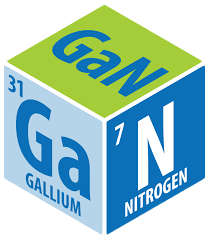
GaN stands for:
👉 Gallium Nitride
It is a wide-bandgap semiconductor material increasingly replacing traditional silicon in power conversion systems.
Why GaN Matters in Chargers
Compared with silicon, GaN transistors can:
• switch faster
• waste less energy
• generate less heat
• operate at higher frequencies
This allows chargers to become:
✔ smaller
✔ lighter
✔ more efficient
✔ more powerful
That's why modern:
• 65W charger
• 100W USB-C charger
• 140W PD3.1 charger
• multi-port laptop charger
…increasingly rely on GaN technology.
What Does “GaN 3” Actually Mean?
One important thing to understand:
👉 There is no universal industry standard for “GaN 3” or “GaN 5”.
Many naming systems are partially marketing-driven.
However, in practical engineering terms:
GaN 3 Generally Refers To
Third-generation commercial GaN charger platforms featuring:
• improved switching efficiency
• more compact PCB layouts
• reduced heat compared to earlier GaN designs
• better integration than first-generation GaN chargers
Typical Characteristics of GaN 3 Chargers
| Feature | GaN 3 |
| Typical Power Range | 30W–100W |
| Integration Level | Moderate |
| PCB Complexity | Medium |
| Heat Control | Improved |
| Size Reduction | Significant |
| Multi-port Support | Common |
GaN 3 chargers became extremely popular because they offered:
👉 high power in small travel-friendly designs.
This generation helped accelerate the global transition from bulky silicon chargers to compact USB-C PD chargers.
What Is GaN 5?
GaN 5 represents a newer generation of highly integrated GaN charger architecture.
The Core Idea Behind GaN 5
GaN 5 focuses on:
✔ higher integration
✔ lower thermal loss
✔ simplified internal circuitry
✔ improved power density
✔ smarter control systems
In many GaN 5 platforms:
• controller IC
• driver circuit
• protection system
…are integrated more tightly into fewer components.
Why Integration Matters
In charger engineering:
👉 fewer components often means:
• fewer solder joints
• lower failure risk
• smaller PCB size
• improved thermal efficiency
According to multiple industry sources, newer GaN generations significantly reduce peripheral components and improve manufacturing reliability.
GaN 5 vs GaN 3: The Real Differences
1. Higher Efficiency
GaN 5 chargers typically achieve better conversion efficiency.
This means:
• less wasted power
• lower heat generation
• improved energy transfer
Modern GaN systems can exceed:
👉 93–95% efficiency in many charger designs.
2. Better Thermal Management
Heat is one of the biggest challenges in fast charging.
GaN 5 improves thermal performance through:
• reduced switching loss
• optimized IC integration
• lower internal resistance
Result:
✔ cooler operation
✔ better sustained charging
✔ longer component lifespan
3. Smaller Charger Size
GaN 5 enables:
• higher switching frequencies
• smaller transformers
• denser PCB layouts
This allows manufacturers to create:
• ultra-compact 65W chargers
• slim 100W laptop chargers
• travel-friendly multi-port adapters
4. Higher Power Density
Power density means:
👉 how much power fits inside a small volume.
GaN 5 dramatically improves this.
Today’s premium:
• PD3.1 charger
• PPS charger
• MacBook USB-C charger
…can deliver enormous wattage from surprisingly small designs.
5. More Advanced Multi-Port Power Management
Modern GaN 5 chargers increasingly support:
• intelligent power balancing
• dynamic USB-C allocation
• smarter thermal distribution
This is especially important for:
• laptop charging
• multi-device charging stations
• desktop GaN chargers
Why GaN 5 Matters for OEM Charger Factories
For professional charger manufacturers, GaN 5 changes both:
👉 engineering
👉 manufacturing
Advantages for OEM Production
Reduced PCB Complexity
Fewer external components simplify production.
Better Yield Rates
Fewer solder points reduce manufacturing defects.
Easier Thermal Design
Lower heat simplifies enclosure engineering.
Higher-End Product Positioning
GaN 5 enables premium product categories like:
• 140W PD3.1 chargers
• desktop charging stations
• ultra-thin laptop adapters
This is why many advanced:
• phone charger manufacturers
• charger type-C factories
• PD charger factories
…are transitioning toward newer GaN architectures.
Is GaN 5 Always Better Than GaN 3?
Not necessarily.
A high-quality GaN 3 charger from a reliable manufacturer may outperform a poorly engineered “GaN 5” charger.
As Reddit discussions frequently point out:
👉 some GaN generation labels are partially marketing terms rather than strict technical standards.
What Actually Matters Most
When evaluating a charger, focus on:
✔ efficiency
✔ thermal performance
✔ certification quality
✔ protocol compatibility
✔ internal engineering
—not just the “GaN generation” label.
Zonsan USB Charger Manufacture Engineering Insight
As a professional charger manufacturer, Zonsan Power closely follows the evolution of GaN power architectures across its fast charging product lines.
From compact 20W USB-C phone chargers to advanced 140W PD3.1 laptop chargers, Zonsan engineers focus on:
• high-efficiency PCB design
• thermal optimization
• intelligent PD/PPS control
• compact power-density engineering
to support the next generation of GaN fast charging solutions.
The Future Beyond GaN 5
The charger industry is still evolving rapidly.
Future technologies may include:
• GaN + SiC hybrid systems
• AI-controlled power management
• digital power IC ecosystems
• ultra-high-frequency switching
The next wave of innovation for:
• USB charger manufacturers
• laptop charger OEM factories
• PD charger suppliers
…will focus heavily on:
✔ efficiency
✔ thermal intelligence
✔ miniaturization
✔ ultra-high power density
Final Verdict
GaN 5 is not simply “GaN but newer.”
It represents a broader evolution toward:
✔ higher integration
✔ smarter power management
✔ smaller designs
✔ improved thermal efficiency
✔ higher reliability
Compared with GaN 3:
GaN 5 chargers are generally:
• more compact
• more efficient
• cooler-running
• better optimized for modern high-power USB-C charging.
But ultimately: 👉 Good engineering matters more than marketing labels.
FAQ (People Also Ask)
Q1: What is GaN 5 technology?
GaN 5 is a newer generation of Gallium Nitride charger technology focused on higher integration and efficiency.
Q2: Is GaN 5 better than GaN 3?
Generally yes, especially in thermal performance, size reduction, and power density.
Q3: What is the difference between GaN 3 and GaN 5 chargers?
GaN 5 chargers typically use more integrated circuitry and improved thermal optimization.
Q4: Are GaN generation labels standardized?
No. Many brands use their own marketing terminology for GaN generations.
Q5: Does GaN 5 charge faster?
Not necessarily. Charging speed mainly depends on supported protocols and device limits.
Q6: Why are GaN chargers smaller?
GaN transistors switch faster, allowing smaller transformers and more compact internal layouts.
Q7: Do GaN chargers run cooler?
Usually yes, because GaN reduces power loss and improves efficiency.
Q8: Is GaN better than silicon chargers?
Yes. GaN chargers are generally smaller, more efficient, and produce less heat.
👉 high power in small travel-friendly designs.
This generation helped accelerate the global transition from bulky silicon chargers to compact USB-C PD chargers.
What Is GaN 5?
GaN 5 represents a newer generation of highly integrated GaN charger architecture.
The Core Idea Behind GaN 5
GaN 5 focuses on:
✔ higher integration
✔ lower thermal loss
✔ simplified internal circuitry
✔ improved power density
✔ smarter control systems
In many GaN 5 platforms:
• controller IC
• driver circuit
• protection system
…are integrated more tightly into fewer components.
Why Integration Matters
In charger engineering:
👉 fewer components often means:
• fewer solder joints
• lower failure risk
• smaller PCB size
• improved thermal efficiency
According to multiple industry sources, newer GaN generations significantly reduce peripheral components and improve manufacturing reliability.
GaN 5 vs GaN 3: The Real Differences
1. Higher Efficiency
GaN 5 chargers typically achieve better conversion efficiency.
This means:
• less wasted power
• lower heat generation
• improved energy transfer
Modern GaN systems can exceed:
👉 93–95% efficiency in many charger designs.
2. Better Thermal Management
Heat is one of the biggest challenges in fast charging.
GaN 5 improves thermal performance through:
• reduced switching loss
• optimized IC integration
• lower internal resistance
Result:
✔ cooler operation
✔ better sustained charging
✔ longer component lifespan
3. Smaller Charger Size
GaN 5 enables:
• higher switching frequencies
• smaller transformers
• denser PCB layouts
This allows manufacturers to create:
• ultra-compact 65W chargers
• slim 100W laptop chargers
• travel-friendly multi-port adapters
4. Higher Power Density
Power density means:
👉 how much power fits inside a small volume.
GaN 5 dramatically improves this.
Today’s premium:
• PD3.1 charger
• PPS charger
• MacBook USB-C charger
…can deliver enormous wattage from surprisingly small designs.
5. More Advanced Multi-Port Power Management
Modern GaN 5 chargers increasingly support:
• intelligent power balancing
• dynamic USB-C allocation
• smarter thermal distribution
This is especially important for:
• laptop charging
• multi-device charging stations
• desktop GaN chargers
Why GaN 5 Matters for OEM Charger Factories
For professional charger manufacturers, GaN 5 changes both:
👉 engineering
👉 manufacturing
Advantages for OEM Production
Reduced PCB Complexity
Fewer external components simplify production.
Better Yield Rates
Fewer solder points reduce manufacturing defects.
Easier Thermal Design
Lower heat simplifies enclosure engineering.
Higher-End Product Positioning
GaN 5 enables premium product categories like:
• 140W PD3.1 chargers
• desktop charging stations
• ultra-thin laptop adapters
This is why many advanced:
• phone charger manufacturers
• charger type-C factories
• PD charger factories
…are transitioning toward newer GaN architectures.
Is GaN 5 Always Better Than GaN 3?
Not necessarily.
A high-quality GaN 3 charger from a reliable manufacturer may outperform a poorly engineered “GaN 5” charger.
As Reddit discussions frequently point out:
👉 some GaN generation labels are partially marketing terms rather than strict technical standards.
What Actually Matters Most
When evaluating a charger, focus on:
✔ efficiency
✔ thermal performance
✔ certification quality
✔ protocol compatibility
✔ internal engineering
—not just the “GaN generation” label.
Zonsan USB Charger Manufacture Engineering Insight
As a professional charger manufacturer, Zonsan Power closely follows the evolution of GaN power architectures across its fast charging product lines.
From compact 20W USB-C phone chargers to advanced 140W PD3.1 laptop chargers, Zonsan engineers focus on:
• high-efficiency PCB design
• thermal optimization
• intelligent PD/PPS control
• compact power-density engineering
to support the next generation of GaN fast charging solutions.
The Future Beyond GaN 5
The charger industry is still evolving rapidly.
Future technologies may include:
• GaN + SiC hybrid systems
• AI-controlled power management
• digital power IC ecosystems
• ultra-high-frequency switching
The next wave of innovation for:
• USB charger manufacturers
• laptop charger OEM factories
• PD charger suppliers
…will focus heavily on:
✔ efficiency
✔ thermal intelligence
✔ miniaturization
✔ ultra-high power density
Final Verdict
GaN 5 is not simply “GaN but newer.”
It represents a broader evolution toward:
✔ higher integration
✔ smarter power management
✔ smaller designs
✔ improved thermal efficiency
✔ higher reliability
Compared with GaN 3:
GaN 5 chargers are generally:
• more compact
• more efficient
• cooler-running
• better optimized for modern high-power USB-C charging.
But ultimately: 👉 Good engineering matters more than marketing labels.
FAQ (People Also Ask)
Q1: What is GaN 5 technology?
GaN 5 is a newer generation of Gallium Nitride charger technology focused on higher integration and efficiency.
Q2: Is GaN 5 better than GaN 3?
Generally yes, especially in thermal performance, size reduction, and power density.
Q3: What is the difference between GaN 3 and GaN 5 chargers?
GaN 5 chargers typically use more integrated circuitry and improved thermal optimization.
Q4: Are GaN generation labels standardized?
No. Many brands use their own marketing terminology for GaN generations.
Q5: Does GaN 5 charge faster?
Not necessarily. Charging speed mainly depends on supported protocols and device limits.
Q6: Why are GaN chargers smaller?
GaN transistors switch faster, allowing smaller transformers and more compact internal layouts.
Q7: Do GaN chargers run cooler?
Usually yes, because GaN reduces power loss and improves efficiency.
Q8: Is GaN better than silicon chargers?
Yes. GaN chargers are generally smaller, more efficient, and produce less heat.