What Is Potting in Chargers? The Hidden Technology That Protects Fast Charging Devices
⭐ Featured Snippet
Potting in chargers is a manufacturing process where electronic components are encapsulated in resin or silicone to protect against heat, moisture, vibration, and electrical damage. It improves safety, durability, and thermal performance in fast chargers, especially in high-power devices like 45W–140W USB-C PD chargers.
Introduction
When people choose a phone charger or USB-C fast charger, they usually look at:
• wattage (20W, 30W, 65W, 100W…)
• charging speed
• compatibility
But there's one critical factor most buyers never see:
👉 What's inside the charger
Because hidden beneath the casing is a key technology used by professional charger manufacturers and OEM factories:
👉 Potting
This single process can determine whether a charger runs cool, lasts longer, or fails prematurely.
What Is Potting in Chargers?
Simple Explanation
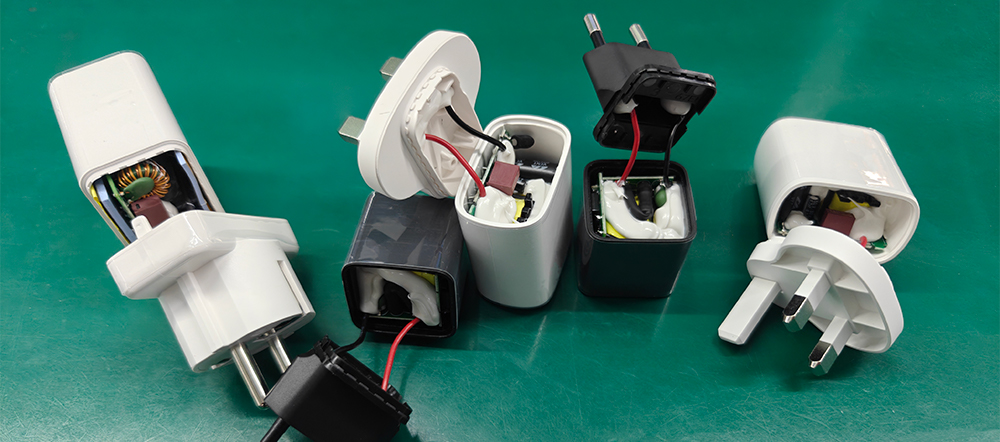
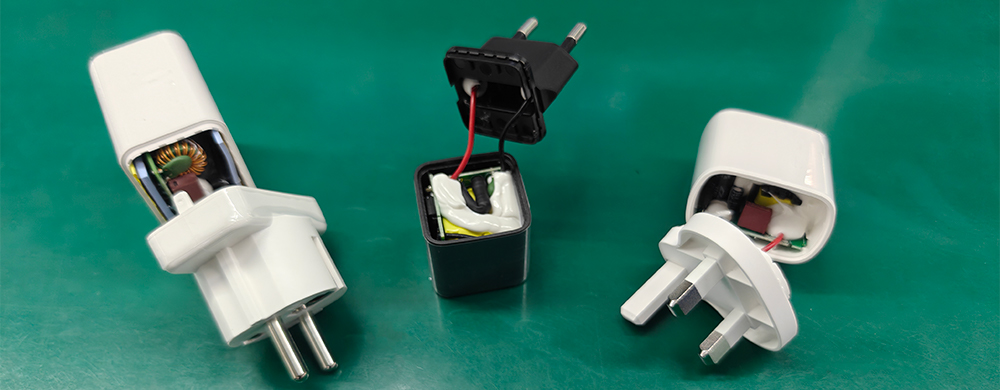
👉 Potting is the process of filling a charger's internal components with protective material (such as epoxy or silicone) to improve safety and durability.
Technical Definition
In a phone charger, wall charger, or USB charger, potting involves:
• sealing PCB components
• covering power circuits
• insulating high-voltage areas
This is widely used in:
• GaN charger / PD charger / PD3.1 PD3.2 charger (18w - 240w)
• PPS fast charger
• high-power laptop charger (65W–140W)
Why Potting Matters in Fast Charging
Fast charging means more power—and more heat.
Without proper protection, this can lead to:
• overheating
• short circuits
• component failure
🔥 Key Benefits of Potting
1. Heat Dissipation
Potting materials help distribute heat evenly.
👉 Especially important for:
• 65W charger
• 100W charger
• 140W charger
2. Electrical Insulation
Prevents:
• short circuits
• voltage leakage
👉 Critical in USB-C PD chargers and PPS chargers
3. Moisture & Dust Protection
Sealed components resist:
• humidity
• corrosion
• environmental damage
4. Vibration Resistance
Protects internal components during:
• shipping
• daily use
• long-term wear
Potting vs Non-Potting Chargers
| Feature | Potted Charger | Non-Potted Charger |
| Heat Management | Excellent | Moderate |
| Durability | High | Lower |
| Safety | Strong protection | Limited |
| Lifespan | Longer | Shorter |
👉 This is why high-quality charger type C products from professional factories usually adopt potting technology.
Where Potting Is Most Important
📱 Smartphone Chargers
• 20W charger / 25W charger
• 30W charger / 35W charger
• 45W charger / 65W charger
• 100W+
👉 Used in iPhone charger factory and Samsung charger factory production lines.
💻 Laptop & High-Power Chargers
• 45W charger
• 65W charger
• 100W charger
• 120W charger
• 140W charger
👉 Essential for laptop charger manufacturers and MacBook AVS charger factory solutions.
⚡ Fast Charging Systems
• PD charger
• PD3.1 PD3.2 charger (AVS)
• PPS charger
👉 These require stable and protected internal structures.
Zonsan Factory Insight
As a professional charger manufacturer, Zonsan integrates potting technology into its GaN fast chargers and USB-C PD charging solutions.
This ensures:
• better thermal control
• enhanced electrical safety
• longer product lifespan
Different Types of Potting Materials
1. Epoxy Resin
• strong and rigid
• excellent insulation
• used in high-power chargers
2. Silicone Potting
• flexible
• better heat resistance
• ideal for compact chargers
3. Polyurethane
• balanced performance
• moderate flexibility
👉 The choice depends on charger design and power level.
Does Potting Affect Charger Size?
Yes—but in a good way.
Modern GaN charger designs allow:
• smaller size
• better heat control
👉 Even with potting, today’s chargers remain compact.
Zonsan Engineering Perspective
Zonsan combines advanced potting techniques with GaN technology to produce:
• compact high-power chargers
• efficient heat management systems
• globally compliant charging solutions
This is especially important for OEM clients targeting premium markets.
Is Potting Always Better?
Not necessarily—but for fast charging, it usually is.
👉 Potted chargers are ideal when:
• power exceeds 30W
• long-term durability is required
• safety is a priority
How to Identify a High-Quality Charger
You usually can’t see potting directly—but you can look for:
✔ certifications (CE, FCC, RoHS, KC, UL, EAC, etc.)
✔ brand/manufacturer credibility
✔ weight and build quality
✔ stable performance
👉 Reliable PD charger factories and OEM manufacturers typically use potting.
Conclusion
Potting may be invisible—but its impact is not.
It plays a crucial role in:
✔ safety
✔ heat management
✔ product lifespan
👉 If you’re sourcing or buying fast chargers, understanding potting helps you choose better, safer products.
Where Potting Is Most Important
📱 Smartphone Chargers
• 20W charger / 25W charger
• 30W charger / 35W charger
• 45W charger / 65W charger
• 100W+
👉 Used in iPhone charger factory and Samsung charger factory production lines.
💻 Laptop & High-Power Chargers
• 45W charger
• 65W charger
• 100W charger
• 120W charger
• 140W charger
👉 Essential for laptop charger manufacturers and MacBook AVS charger factory solutions.
⚡ Fast Charging Systems
• PD charger
• PD3.1 PD3.2 charger (AVS)
• PPS charger
👉 These require stable and protected internal structures.
Zonsan Factory Insight
As a professional charger manufacturer, Zonsan integrates potting technology into its GaN fast chargers and USB-C PD charging solutions.
This ensures:
• better thermal control
• enhanced electrical safety
• longer product lifespan
Different Types of Potting Materials
1. Epoxy Resin
• strong and rigid
• excellent insulation
• used in high-power chargers
2. Silicone Potting
• flexible
• better heat resistance
• ideal for compact chargers
3. Polyurethane
• balanced performance
• moderate flexibility
👉 The choice depends on charger design and power level.
Does Potting Affect Charger Size?
Yes—but in a good way.
Modern GaN charger designs allow:
• smaller size
• better heat control
👉 Even with potting, today’s chargers remain compact.
Zonsan Engineering Perspective
Zonsan combines advanced potting techniques with GaN technology to produce:
• compact high-power chargers
• efficient heat management systems
• globally compliant charging solutions
This is especially important for OEM clients targeting premium markets.
Is Potting Always Better?
Not necessarily—but for fast charging, it usually is.
👉 Potted chargers are ideal when:
• power exceeds 30W
• long-term durability is required
• safety is a priority
How to Identify a High-Quality Charger
You usually can’t see potting directly—but you can look for:
✔ certifications (CE, FCC, RoHS, KC, UL, EAC, etc.)
✔ brand/manufacturer credibility
✔ weight and build quality
✔ stable performance
👉 Reliable PD charger factories and OEM manufacturers typically use potting.
Conclusion
Potting may be invisible—but its impact is not.
It plays a crucial role in:
✔ safety
✔ heat management
✔ product lifespan
👉 If you’re sourcing or buying fast chargers, understanding potting helps you choose better, safer products.

FAQ (People Also Ask)
Q1: What is potting in a charger?
Potting is the process of sealing electronic components in protective material to improve safety and durability.
Q2: Why is potting important for fast chargers?
Because fast charging generates heat, and potting helps manage heat and prevent damage.
Q3: Do all chargers use potting?
No. High-quality and high-power chargers are more likely to use potting.
Q4: Does potting prevent overheating?
Yes, it helps distribute heat and improve thermal performance.
Q5: Is potting used in GaN chargers?
Yes. Many GaN chargers use potting for better efficiency and protection.
Q6: Can potting improve charger lifespan?
Yes. It protects components from damage and extends lifespan.
Q7: Is potting necessary for low-power chargers?
Not always, but it still improves durability and safety (High-Quality Charger).
Q8: How do I choose a reliable charger manufacturer?
Look for certifications, production experience, and OEM capabilities.