What Is Qi2.2 Wireless Charging? — 2026 Complete Guide
But with so many standards and buzzwords floating around, it’s easy to wonder:
➡ What exactly is Qi2.2 wireless charging?
➡ How is it different from older Qi standards?
➡ Is your phone compatible?
➡ Is it worth upgrading?
This article answers all those questions clearly and in a way that’s optimized for Google SEO & SERP Featured Snippets.
Featured Snippet Definition: What Is Qi2.2?
Qi2.2 is the latest wireless charging standard developed by the Wireless Power Consortium (WPC), extending the Qi2 magnetic power profile with higher power delivery (up to 25W), tighter magnetic alignment, and improved safety and efficiency features.
Why Qi2.2 Matters (Wireless Charging Evolution)
The wireless charging world began with the original Qi standard, which delivered slow charging (typically ~5W). Later standards like Qi2 introduced magnetic alignment for better positioning and reasonably faster charging (around 15W).
Qi2.2 takes that further by increasing the peak power to up to 25W, making wireless charging fast enough to be practical for everyday use without cables.
How Qi2.2 Works
Qi2.2 uses a combination of:
✔ Magnetic Power Profile (MPP) — Precision magnetic alignment for optimal coil pairing
✔ Smarter power negotiation protocols — Dynamic power adjustment based on device temperature and battery status
✔ Advanced thermal management — Reduces waste heat and improves battery safety
This means your phone snaps into place on the charging pad and stays aligned, reducing energy loss and heat — a common problem with older wireless chargers.
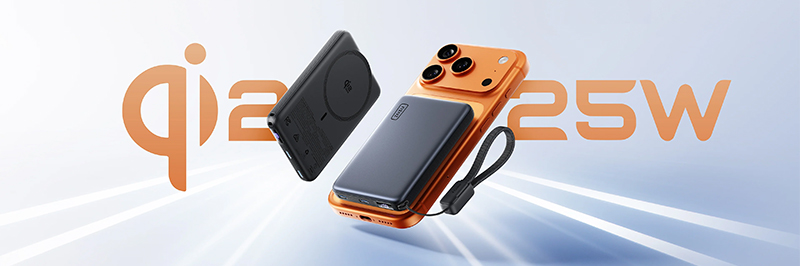
Qi2.2 vs Earlier Wireless Charging Standards
| Feature | Original Qi | Qi2 | Qi2.2 |
| Max Wireless Power | ~5–15W | ~15W | ~25W |
| Magnetic Alignment | No | Yes | Enhanced |
| Efficiency & Heat | Low | Moderate | Higher |
| Safety & Control | Basic | Moderate | Advanced |
Qi2.2 improves charging speed, alignment, stability, and heat management versus the older standards.
Fast Charging Speed: What You Can Expect
Wireless chargers based on Qi2.2 can deliver up to 25W of power, which is almost twice as fast as most Qi2 wireless chargers and dramatically faster than the original Qi.
The actual performance varies by phone model and ambient temperature, but real-world usage shows significantly improved speed and efficiency.
Compatibility: Which Devices Support Qi2.2?
Qi2.2 is backward compatible, so:
✔ Your older Qi-enabled phone will still charge
✔ Only Qi2.2-certified devices can reach the full ~25W power
Apple iPhone 17 series and Android flagships (like Samsung Galaxy S25 & S26) are among the early devices expected to support or upgrade to Qi2.2 wireless charging.
Safety Features You Should Know
Wireless charging involves magnetic fields and heat, so Qi2.2 incorporates enhanced protections:
✔ Foreign Object Detection (FOD) — Prevents charging when metal objects are present
✔ Overcurrent & overvoltage protection — Keeps charging safe under unstable conditions
✔ Smart thermal monitoring — Adjusts power delivery to avoid overheating
These features improve safety and long-term device health.
Real-World Usage Tips
✔ Place your phone centrally on the charger for best alignment.
✔ Remove thick or metal cases that interfere with magnetic alignment.
✔ Ensure your charger and cable (USB-C power source) support at least the required wattage.
✔ Backward compatibility means you can still use Qi2.2 chargers with older phones — just at their max supported speeds.
When Should You Upgrade to Qi2.2?
Qi2.2 is ideal if:
✔ You want faster wireless charging
✔ You frequently top up between meetings
✔ You want consistent power with fewer misalignment issues
✔ You own a Qi2.2-capable phone
But if your device doesn’t yet support 25W wireless charging, a Qi2.2 pad will still work — it just won’t charge at peak power.
📌 FAQ — Qi2.2 Wireless Charging
Q1: Is Qi2.2 wireless charging faster than Qi?
Yes. Qi2.2 supports up to 25W wireless power — significantly faster than the original Qi standard (5–15W).
Q2: What devices support Qi2.2?
Currently, early support comes from Apple’s newer iPhone models (like iPhone 17) and recent Android flagships with magnetic alignment capability.
Q3: Can Qi2.2 chargers work with older phones?
Yes — Qi2.2 chargers are backward compatible with Qi-enabled devices, but non-certified devices will charge at their slower supported rate.
Q4: Do Qi2.2 chargers need special cables?
Qi2.2 charging pads typically require a quality USB-C power source with sufficient wattage (e.g., 30W+ PD charger) to reach peak wireless charging speeds.
Q5: Is Qi2.2 safe for my phone battery?
Yes. Qi2.2 includes improved thermal monitoring and power regulation features that help protect battery health compared to older standards.
Q6: What’s the difference between Qi2.2 and MagSafe?
MagSafe is Apple’s proprietary tech (up to 15W), while Qi2.2 is an open standard that can deliver up to 25W across multiple brands.
Q7: Are Qi2.2 chargers compatible with all phone brands?
Qi2.2 is designed as a universal standard, so phones from Apple, Samsung, Google, OnePlus, and others can support it if certified.
Q8: Can Qi2.2 wireless charging damage my phone case?
Thicker or metal cases can block magnetic alignment, reducing efficiency and causing slower charging — plastic or silicone cases under 3mm are recommended.
Q9: Does Qi2.2 work in cars or mounts?
Yes. Some Qi2.2 car mounts are designed to provide stable wireless charging while you drive.
Q10: Is Qi2.2 worth upgrading to in 2026?
If your device supports it, Qi2.2 offers noticeably faster charging and better alignment than older wireless methods — a clear upgrade.
Additional FAQs: Magnetic Wireless Charging & Phone Heating
Q1: Why does my phone get warm during magnetic wireless charging?
Mild warmth is normal during magnetic (Qi2 / Qi2.2) wireless charging.
Wireless power transfer generates more heat than wired charging because energy is transferred via electromagnetic induction instead of direct electrical contact.
However, excessive heat may indicate:
• Poor alignment
• Thick or metal phone case
• Low-quality charging pad
• High ambient temperature
Qi2.2 improves alignment and thermal control to reduce unnecessary heat buildup.
Q2: Is magnetic wireless charging hotter than wired charging?
Yes, slightly.
Wireless charging typically produces more heat than wired charging due to:
• Energy conversion loss
• Magnetic field resistance
• Coil misalignment
Qi2.2 reduces this issue with improved magnetic positioning and smarter power regulation.
For maximum efficiency, ensure proper coil alignment and avoid overheating environments.
Q3: Can magnetic charging damage my battery because of heat?
Occasional mild heat will not damage your battery.
However, prolonged high temperatures (above ~40°C / 104°F) may accelerate battery aging over time.
Qi2.2 chargers include:
✔ Thermal monitoring
✔ Dynamic power adjustment
✔ Foreign object detection
These features help protect battery health compared to older wireless standards.
Q4: How can I reduce phone heat during magnetic charging?
You can reduce heat by:
✔ Removing thick or metal cases
✔ Using a certified Qi2.2 charger
✔ Charging in a cool environment
✔ Avoiding gaming or heavy app usage while charging
✔ Ensuring proper magnetic alignment
Better alignment = less energy loss = less heat.
Q5: Is it safe to use magnetic wireless charging overnight?
Yes, if using a certified Qi2.2 charger.
Modern Qi2.2 chargers include:
• Automatic power reduction
• Temperature control
• Trickle charging after full charge
These features prevent overheating and overcharging during overnight use.
Fast Charging Speed: What You Can Expect
Wireless chargers based on Qi2.2 can deliver up to 25W of power, which is almost twice as fast as most Qi2 wireless chargers and dramatically faster than the original Qi.
The actual performance varies by phone model and ambient temperature, but real-world usage shows significantly improved speed and efficiency.
Compatibility: Which Devices Support Qi2.2?
Qi2.2 is backward compatible, so:
✔ Your older Qi-enabled phone will still charge
✔ Only Qi2.2-certified devices can reach the full ~25W power
Apple iPhone 17 series and Android flagships (like Samsung Galaxy S25 & S26) are among the early devices expected to support or upgrade to Qi2.2 wireless charging.
Safety Features You Should Know
Wireless charging involves magnetic fields and heat, so Qi2.2 incorporates enhanced protections:
✔ Foreign Object Detection (FOD) — Prevents charging when metal objects are present
✔ Overcurrent & overvoltage protection — Keeps charging safe under unstable conditions
✔ Smart thermal monitoring — Adjusts power delivery to avoid overheating
These features improve safety and long-term device health.
Real-World Usage Tips
✔ Place your phone centrally on the charger for best alignment.
✔ Remove thick or metal cases that interfere with magnetic alignment.
✔ Ensure your charger and cable (USB-C power source) support at least the required wattage.
✔ Backward compatibility means you can still use Qi2.2 chargers with older phones — just at their max supported speeds.
When Should You Upgrade to Qi2.2?
Qi2.2 is ideal if:
✔ You want faster wireless charging
✔ You frequently top up between meetings
✔ You want consistent power with fewer misalignment issues
✔ You own a Qi2.2-capable phone
But if your device doesn’t yet support 25W wireless charging, a Qi2.2 pad will still work — it just won’t charge at peak power.
📌 FAQ — Qi2.2 Wireless Charging
Q1: Is Qi2.2 wireless charging faster than Qi?
Yes. Qi2.2 supports up to 25W wireless power — significantly faster than the original Qi standard (5–15W).
Q2: What devices support Qi2.2?
Currently, early support comes from Apple’s newer iPhone models (like iPhone 17) and recent Android flagships with magnetic alignment capability.
Q3: Can Qi2.2 chargers work with older phones?
Yes — Qi2.2 chargers are backward compatible with Qi-enabled devices, but non-certified devices will charge at their slower supported rate.
Q4: Do Qi2.2 chargers need special cables?
Qi2.2 charging pads typically require a quality USB-C power source with sufficient wattage (e.g., 30W+ PD charger) to reach peak wireless charging speeds.
Q5: Is Qi2.2 safe for my phone battery?
Yes. Qi2.2 includes improved thermal monitoring and power regulation features that help protect battery health compared to older standards.
Q6: What’s the difference between Qi2.2 and MagSafe?
MagSafe is Apple’s proprietary tech (up to 15W), while Qi2.2 is an open standard that can deliver up to 25W across multiple brands.
Q7: Are Qi2.2 chargers compatible with all phone brands?
Qi2.2 is designed as a universal standard, so phones from Apple, Samsung, Google, OnePlus, and others can support it if certified.
Q8: Can Qi2.2 wireless charging damage my phone case?
Thicker or metal cases can block magnetic alignment, reducing efficiency and causing slower charging — plastic or silicone cases under 3mm are recommended.
Q9: Does Qi2.2 work in cars or mounts?
Yes. Some Qi2.2 car mounts are designed to provide stable wireless charging while you drive.
Q10: Is Qi2.2 worth upgrading to in 2026?
If your device supports it, Qi2.2 offers noticeably faster charging and better alignment than older wireless methods — a clear upgrade.
Additional FAQs: Magnetic Wireless Charging & Phone Heating
Q1: Why does my phone get warm during magnetic wireless charging?
Mild warmth is normal during magnetic (Qi2 / Qi2.2) wireless charging.
Wireless power transfer generates more heat than wired charging because energy is transferred via electromagnetic induction instead of direct electrical contact.
However, excessive heat may indicate:
• Poor alignment
• Thick or metal phone case
• Low-quality charging pad
• High ambient temperature
Qi2.2 improves alignment and thermal control to reduce unnecessary heat buildup.
Q2: Is magnetic wireless charging hotter than wired charging?
Yes, slightly.
Wireless charging typically produces more heat than wired charging due to:
• Energy conversion loss
• Magnetic field resistance
• Coil misalignment
Qi2.2 reduces this issue with improved magnetic positioning and smarter power regulation.
For maximum efficiency, ensure proper coil alignment and avoid overheating environments.
Q3: Can magnetic charging damage my battery because of heat?
Occasional mild heat will not damage your battery.
However, prolonged high temperatures (above ~40°C / 104°F) may accelerate battery aging over time.
Qi2.2 chargers include:
✔ Thermal monitoring
✔ Dynamic power adjustment
✔ Foreign object detection
These features help protect battery health compared to older wireless standards.
Q4: How can I reduce phone heat during magnetic charging?
You can reduce heat by:
✔ Removing thick or metal cases
✔ Using a certified Qi2.2 charger
✔ Charging in a cool environment
✔ Avoiding gaming or heavy app usage while charging
✔ Ensuring proper magnetic alignment
Better alignment = less energy loss = less heat.
Q5: Is it safe to use magnetic wireless charging overnight?
Yes, if using a certified Qi2.2 charger.
Modern Qi2.2 chargers include:
• Automatic power reduction
• Temperature control
• Trickle charging after full charge
These features prevent overheating and overcharging during overnight use.