When to Replace Your Charger: 2026 Buyer’s Guide
This 2026 Buyer's Guide explains the signs your charger needs replacing, what features to look for in modern chargers, and how to choose the right one from a trusted charger factory, manufacture, or supplier.
Why Charger Replacement Matters
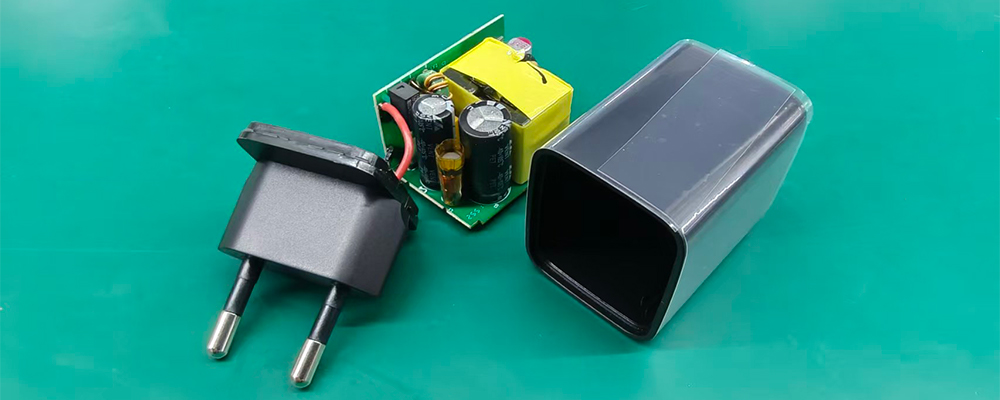
Chargers are more than just power adapters: they are active electrical devices with internal components that degrade over time. Issues like:
· uneven voltage output
· poor thermal handling
· outdated charging protocols
· frayed cables or loose connections
can lead to slow charging, device stress, or even safety hazards.
Replacing a worn charger with a universal charger, USB-C PD fast charger, or Type-C charger can restore fast, stable charging and protect your device's battery health.
Common Types of Chargers & Their Lifespan
1. Mobile Phone Charger
Standard mobile phone chargers typically last 1.5 to 3 years under regular use. Signs of aging include:
· slower charging times
· warming more than usual
· loose connection to device
Consider replacing when performance consistently lags.
2. Fast Charger & Charger USB-C
Fast chargers — especially those with USB Power Delivery (USB PD) or PPS — can last 2–4 years if used properly. Frequent quick charging increases thermal stress, which can accelerate wear. When charge cycles slow or heat increases, it's a good time to upgrade.
3. Wall Charger / Universal Charger
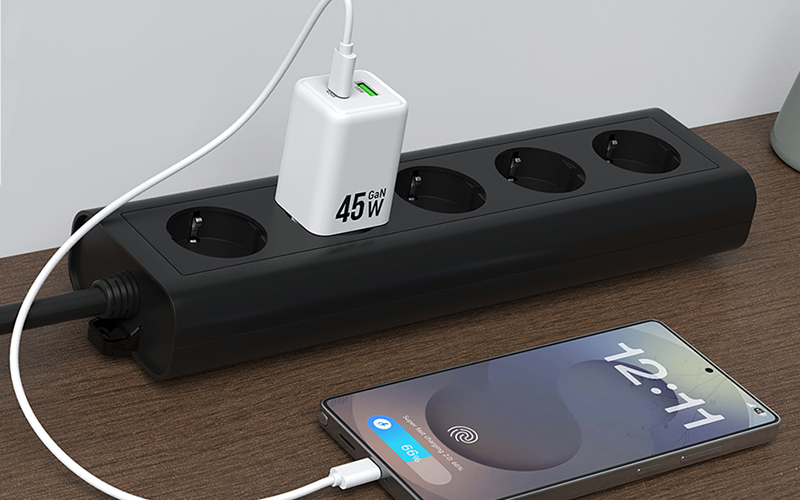
Wall chargers and universal adapters (with multiple ports) have varying lifespans depending on build quality. High-quality models with GaN technology can last 3–5+ years because they run cooler and have better internal components.
Signs It's Time to Replace Your Charger
⚠ 1. Slow or Inconsistent Charging
If your mobile phone charger takes significantly longer or fluctuates in speed, this can indicate degraded internal circuitry.
🌡 2. Excessive Heat
Warm is normal, but hot to the touch — especially around the plug or cable — suggests internal resistance has increased, which can damage both charger and device.
🧵 3. Frayed Cables or Loose Ports
Broken insulation, bent pins, or loose USB-C connectors reduce efficiency and can be unsafe.
🔌 4. Unsupported Charging Protocols
Older chargers may not support USB Power Delivery (PD), PPS, or Quick Charge, leading to slower or incompatible charging on newer devices.
📉 5. Visible Wear & Tear
Cracks, discoloration, or worn plugs are physical signs your charger has reached the end of usable life.
How to Choose a Replacement Charger in 2026
Features to consider when choosing a replacement charger — whether you're buying for personal use or sourcing for retail as a charger supplier:
✔ Charging Protocol Support
· USB Power Delivery (USB PD)
· PPS (Programmable Power Supply)
· Quick Charge (QC)
These protocols ensure compatibility and fast charging across modern smartphones and laptops.
✔ Power Output (Choose by Device Needs)
· 5W–25W — basic phones/tab accessories
· 30W–65W — tablets, small laptops
· 65W+ / up to 240W — high-end laptops, multi-device charging
Advanced chargers balance high output with thermal control and safety protections.
✔ GaN Technology
GaN (Gallium Nitride) chargers are now mainstream. Benefits include:
· smaller size
· higher efficiency
· better heat management
A GaN charger is an excellent option when replacing older silicon chargers.
✔ Quality & Certification
Always choose chargers from reputable manufacturers and suppliers that meet global standards:
CE / RoHS / FCC / KC / EAC / ETL / GRS / UKCA / BSCI
Quality assurance ensures safety and reliability for daily use.
✔ OEM & Supplier Flexibility
If you're a brand or retailer, working with a trusted charger factory(Zonsan) allows:
· private label customization
· tailored power profiles
· global certification support
· competitive bulk pricing
Case Example: When Replacement Prevented Damage
A user reported that their phone began charging slower and got hot during daily use. They initially blamed the battery, but switching to a new USB-C PD fast charger from a reputable supplier restored stable performance and lowered operating temperature. The old charger’s internal components had degraded, causing inconsistent power delivery — a common issue not visible from the outside.
This demonstrates the importance of recognizing charger wear before it affects device longevity.
Quick Comparison: Before & After Charger Replacement
| Issue Before Replacement | After Upgrading to a Modern Charger |
| Slow/uneven charging | Fast and stable power delivery |
| Device overheating | Lower operating temperature |
| Frequent disconnections | Reliable connections |
| Unsupported protocols | Full PD/PPS/QC compatibility |
FAQ — When to Replace Your Charger (2026)
FAQ 1: How often should I replace my mobile phone charger?
Most mobile phone chargers last 1.5–3 years under daily use. Replace sooner if you notice slow charging, heat, or cable damage.
FAQ 2: Can a bad charger damage my phone battery?
Yes — chargers that deliver unstable voltage or overheat can stress the phone battery and shorten its lifespan. Always use a certified mobile phone charger or universal charger with proper protections.
FAQ 3: What's the difference between a regular USB charger and a fast charger?
A regular USB charger provides basic power (5W–12W), while a fast charger uses protocols like USB PD, PPS, or Quick Charge to deliver higher power safely and faster.
FAQ 4: Is it worth upgrading to a GaN fast charger?
Absolutely. GaN chargers are smaller, run cooler, and often support multiple fast charging standards — making them ideal replacements for older chargers.
FAQ 5: How do I know if my charger supports USB PD or PPS?
Check the specifications printed on the charger or listed by the supplier. Modern chargers will list USB Power Delivery (PD) and PPS on their spec sheet.
FAQ 6: Should businesses source chargers directly from a factory or through retail brands?
For retailers, sourcing directly from a charger factory or manufacture(For example, Zonsan, a leading charger manufacturer in China) ensures better customization, certification support, stable supply, and competitive pricing compared with retail channels.
FAQ 7: Can I use a Type-C charger for all my devices?
Type-C chargers with USB PD and PPS support are highly versatile. They work with phones, tablets, laptops, and other USB-powered devices, but always check power output to match specific device requirements.