Why Does Your Charger Get Hot? The Real Engineering Explanation Behind Fast Charging Heat
Chargers get hot because electrical energy is partially lost as heat during power conversion. Fast chargers, especially USB-C PD and GaN chargers, process high wattage in compact spaces, causing internal components like MOSFETs, transformers, and IC chips to generate heat. Mild warmth is normal, but excessive heat may indicate poor design or unsafe components.
Introduction
You plug in your phone.
Fast charging starts.
Then after a few minutes, you touch the charger and think:
👉 “Why is this thing so hot?”
The truth is:
A charger getting warm is completely normal.
But understanding why it happens requires looking inside the engineering of modern power adapters.
Today’s USB-C chargers, PD chargers, GaN chargers, and laptop adapters are essentially miniature high-frequency power plants. They rapidly convert wall AC electricity into stable DC power while trying to minimize energy loss, heat, and size—all at the same time.
That balancing act is exactly where heat comes from.
Why Chargers Generate Heat in the First Place
No power conversion system is 100% efficient.
Whenever electricity flows through electronic components, part of the energy is lost as heat.
This is called:
👉 power dissipation
Even the best phone charger manufacturers and PD charger factories cannot completely eliminate it.
Simple Example
Imagine a 100W charger operating at 92% efficiency.
• 92W → goes to your device
• 8W → becomes heat inside the charger
That heat has to go somewhere.
In compact GaN charger designs, the internal space is extremely small, which makes thermal management even more important.
The 5 Main Components That Create Heat Inside a Charger
Modern chargers contain several components that naturally generate heat during operation.
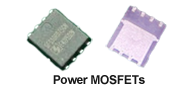
1. Power MOSFETs (The Main Heat Source)
The MOSFET is the high-speed switching component inside a charger.
It rapidly turns current on and off thousands—or even millions—of times per second.
Why It Gets Hot
Every switching cycle creates:
• resistance losses
• switching losses
• leakage current
The higher the wattage:
• 20W charger
• 45W charger
• 65W charger
• 100W charger
• 140W PD3.1 charger
…the more stress is placed on the MOSFETs.
👉 This is why cheap chargers often overheat:
their MOSFET quality is poor.

2. Transformer Heat
Inside every AC to DC power adapter, the transformer converts voltage levels.
But transformers are never perfectly efficient.
They generate heat through:
• copper winding resistance
• magnetic core losses
• eddy currents
Fast Chargers Run Harder
Modern USB-C PD chargers use:
• high-frequency switching
• compact transformer designs
This improves charging speed but increases thermal density.
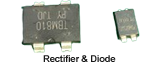
3. Rectifier & Diode Losses
The rectifier converts AC into DC power.
During this process:
• voltage drops occur
• electrical resistance creates heat
In low-cost chargers, inefficient rectifiers waste significant energy.
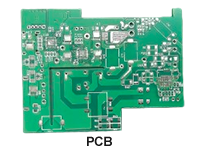
4. PCB Resistance & Copper Trace Losses
The PCB (Printed Circuit Board) is not just a “green board.”
It is an active electrical pathway.
As current flows through copper traces:
• resistance generates heat
• thin PCB traces increase temperature
Why Good PCB Design Matters
Professional charger factories and laptop charger manufacturers optimize:
• copper thickness
• PCB layer structure
• thermal spacing
to reduce overheating.
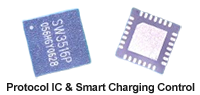
5. Protocol IC & Smart Charging Control
Modern PPS chargers, PD chargers, and GaN fast chargers constantly communicate with devices.
The control IC dynamically adjusts:
• voltage
• current
• temperature protection
This processing also generates heat.
Why Fast Chargers Feel Hotter Than Old Chargers
Older 5W chargers were slow.
Very slow.
Modern fast chargers push:
• higher voltage
• higher current
• higher switching frequency
through much smaller designs.
Example
A classic 5W charger:
• large size
• low power density
A modern 100W GaN charger:
• tiny body
• enormous power density
👉 More power in less space = more noticeable heat.
Why GaN Chargers Still Run Cooler Than Silicon Chargers
Many people think GaN chargers are hotter.
Actually: 👉 High-quality GaN chargers usually run cooler than traditional silicon chargers.
Why?
GaN semiconductors switch faster and waste less energy.
That means:
• higher efficiency
• lower resistance losses
• reduced thermal buildup
So Why Do They Sometimes Feel Hot?
Because GaN chargers are:
• much smaller
• more compact
The heat is concentrated into a smaller surface area.
👉 A compact 65W GaN charger may feel hotter than a larger silicon charger—even if it is technically operating more efficiently.
What Temperature Is Normal for a Charger?
A mild-to-warm charger is normal during fast charging.
Typical ranges:
Condition Temperature
Normal operation 35°C–50°C
Heavy fast charging 50°C–65°C
Dangerous overheating 70°C+
Warning Signs
Stop using the charger if you notice:
• burning smell
• melted plastic
• random charging disconnects
• excessive surface heat
• buzzing sounds
Why Cheap Chargers Overheat More Easily
Low-quality chargers often cut corners on:
• MOSFET quality
• PCB thickness
• capacitors
• thermal pads
• safety ICs
Result
They:
• waste more energy
• run hotter
• degrade faster
• become safety risks
👉 This is why choosing a reliable phone charger manufacturer or PD charger factory matters.

As a professional charger manufacturer, Zonsan Power
focuses heavily on thermal optimization in its fast charging products.
From 20W USB-C chargers to 140W PD3.1 GaN laptop chargers, Zonsan engineers optimize:
• PCB thermal layout
• transformer efficiency
• heat dissipation structure
• intelligent temperature protection
to maintain safer operating temperatures under heavy loads.
Why Laptop Chargers Often Get Even Hotter
Laptop charging requires significantly more power.
Examples:
• MacBook charger
• gaming laptop charger
• 100W USB-C charger
• 140W PD3.1 charger
Higher Power = More Heat
Even at high efficiency:
more wattage always creates more thermal energy.
Example
A 140W charger at 94% efficiency still wastes: 👉 about 8W of heat internally.
That is enough to make the charger noticeably warm.
The Future of Cooler Fast Charging
The industry is moving toward:
• GaN technology
• SiC semiconductors
• better PCB materials
• AI thermal management
• higher-efficiency power ICs
👉 Future charger type C factories and PPS charger manufacturers will compete heavily on:
• efficiency
• thermal control
• compact size
—not just charging speed.
Final Verdict
Your charger gets hot because:
✔ power conversion creates energy loss
✔ fast charging increases power density
✔ internal electronic components generate heat
But: 👉 A well-designed charger should manage heat safely and efficiently.
Warm is normal.
Dangerously hot is not.
FAQ (People Also Ask)
Q1: Is it normal for a fast charger to get hot?
Yes. Fast chargers naturally generate heat during high-power conversion.
Q2: Why does my GaN charger feel hotter?
Because GaN chargers are smaller, heat is concentrated into a compact area.
Q3: Can overheating damage a charger?
Yes. Excessive heat accelerates component aging and may create safety risks.
Q4: Why do cheap chargers overheat more?
They often use lower-quality components and poor thermal design.
Q5: What is the hottest component inside a charger?
Usually the power MOSFETs and transformer.
Q6: Is it safe to leave a warm charger plugged in?
Generally yes, if it is certified and operating normally.
Q7: Do higher wattage chargers get hotter?
Yes, because they process more power.
Q8: How do charger manufacturers reduce heat?
By improving efficiency, PCB layout, component quality, and thermal management.