How Can I Get a High-Quality Charger?
So how can you really tell if a charger is high quality? This guide explains it from a factory and engineering point of view, not marketing slogans.
What Makes a Charger High Quality? (Quick Answer)
A high-quality charger should:
· Deliver stable and accurate power
· Support official fast charging protocols
· Use certified electronic components
· Have real safety protection, not just labels
· Be made by an experienced charger manufacturer
This is exactly what professional charger factories focus on during design and production.
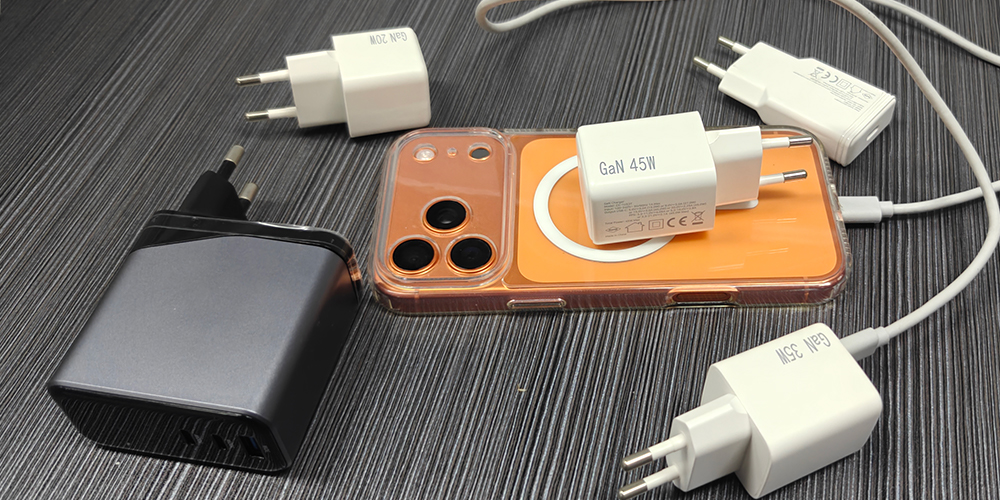
Many chargers advertise 65W, 100W, or even higher. But real quality depends on how stable the output is, not the number on the shell.
A high-quality charger:
· Keeps voltage stable under load
· Does not overheat during long charging
· Adjusts power correctly for different devices
Low-quality chargers often show power drops, overheating, or unstable charging, especially with laptops like MacBook or fast-charging smartphones.
2. Check Fast Charging Protocol Support (PD, PPS, QC, AVS)
A reliable charger must support the correct fast charging standards.
For modern devices, this usually includes:
· USB Power Delivery (PD)
· PPS (Programmable Power Supply) for newer phones
· QC compatibility for older devices
For example, Apple MacBook and iPhone require proper PD communication (AVS Apple Protocol). A charger without full protocol support may charge slowly or cause connection issues.
Factory-level chargers are tested with multiple devices to ensure real compatibility, not just theoretical support.
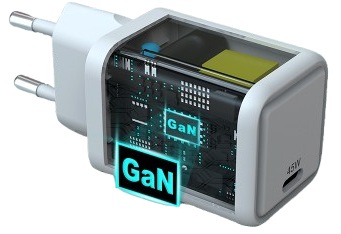
From the outside, most chargers look similar. The difference is inside.
High-quality chargers use:
· Certified GaN or silicon power chips
· High-temperature resistant capacitors
· Reliable transformers and MOSFETs
· Multi-layer PCB design for heat control
Low-end chargers often reduce cost by using cheaper components, which leads to shorter lifespan and higher failure rates.
This is why choosing a charger from a professional charger factory matters.
4. Safety Protection Is Not Optional
A charger without proper safety protection is a risk.
A high-quality charger should include:
· Over-voltage protection
· Over-current protection
· Short-circuit protection
· Over-temperature protection
These protections must be real and tested, not just printed on packaging.
Certified chargers usually pass standards like CE, RoHS, CB, FCC, or KCC, depending on the market.

Many people trust brand names, but few ask who actually makes the charger.
An experienced charger manufacturer:
· Has years of power electronics experience
· Owns in-house R&D and testing labs
· Understands regional compliance rules
· Produces chargers for global B2B customers
Factories with long-term OEM and ODM experience usually deliver more stable and consistent quality than unknown trading sellers.

If you are sourcing chargers for business, not just personal use, you should look for:
* Clear factory information
* Real production photos or videos
* Complete certification documents
* Engineering support, not just sales talk
* Stable supply and quality control process
This is especially important for Apple-compatible laptop chargers and fast chargers for international markets.
Final Thoughts: Quality Comes From Design, Not Claims
A high-quality charger is the result of:
* Proper electrical design
* Good materials
* Strict testing
* Real manufacturing experience
Instead of focusing only on price or wattage, look at how the charger is designed and made.
That is the safest way to protect your devices and ensure long-term performance.

A: Check power stability, protocol support (PD/PPS), safety protections, certifications, and whether it is made by a professional charger manufacturer.
Q2: Are cheap chargers safe to use?
A: Some may work short-term, but many lack proper protection and use low-grade components, increasing safety risks.
Q3: Does wattage mean better quality?
A: No. High wattage without stable control and protection does not mean high quality.
Q4: Why do some chargers work fine at first but fail after a few months?
Many low-cost chargers use components that are just good enough to pass basic testing. Over time, heat stress, unstable voltage, and poor internal layout cause performance to drop. This often leads to slower charging, overheating, or complete failure. A high-quality charger is designed with long-term reliability in mind, not short-term performance.
Q5: Does a heavier charger mean better quality?
Not always. In the past, heavier chargers often meant larger transformers and better heat control. Today, modern GaN chargers can be smaller and lighter while still offering high efficiency. What matters more is internal design, component quality, and thermal management, not just weight.
Q6: How can I verify if a charger factory is truly reliable?
A reliable charger factory usually provides full safety certifications, clear technical specifications, and engineering support. Experienced manufacturers like Zonsan, with in-house R&D teams and long-term OEM production, are able to explain power architecture, protection design, and real output limits instead of relying on marketing terms.
Q7: Is it safer to source chargers directly from a manufacturer instead of a trading company?
In many cases, yes. Working directly with a manufacturer allows better control over quality, testing standards, and product consistency. Companies such as Zonsan, which operate their own production facilities, can offer transparent quality control, protocol updates, and customization that trading companies often cannot provide.