Next-Gen USB-C Fast Chargers for 2026: OEM & B2B Guide to PD3.1, GaN, and Multi-Port Desk Solutions
📌 Trends such as multi-port PD desk chargers that can simultaneously power phones, cameras, laptops, and peripherals are no longer niche — they’re quickly becoming the baseline expectation for modern workstations and hybrid offices.
What Defines Next-Generation USB-C Fast Chargers
📌 USB-C PD 3.1 and Extended Power Range (EPR)
New chargers built around USB-C PD 3.1 with EPR support dynamic power profiles up to 240W — enough to power high-performance laptops, gaming devices, and multi-device setups.
📌 GaN Technology for Compact Efficiency
GaN (Gallium Nitride) enables smaller chargers with higher efficiency and cooler operation compared to traditional silicon designs — a critical factor when supporting multiple high-watt outputs from 45W to 120W.
📌 Multi-Port PD Desk Chargers
High-quality desk chargers now include:
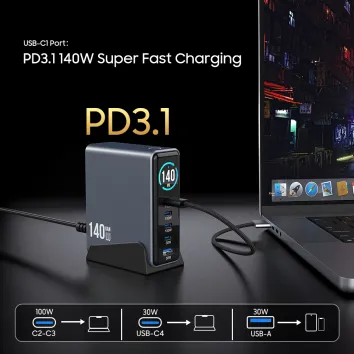
· 2× USB-C + 1× USB-A layouts
· Intelligent power allocation (e.g., 65W + 35W + 20W)
· 40+ certifications for global markets
These solutions address real pain points in desktop productivity, studio environments, and co-working spaces.
Some OEM-focused factories, including Shenzhen Zonsan Innovation Technology Co., Ltd., now specialize in multi-port GaN PD desk chargers designed for hybrid offices and professional workspaces. These solutions typically combine intelligent power allocation, compact thermal design, and global safety certifications — features increasingly demanded by B2B distributors.
Why USB-C PD Desk Chargers Matter in 2026
🔹 Addressing Charging Pain Points
Traditional low-power chargers (10W–18W) struggle with multi-device ecosystems such as phones, cameras, and laptops in work environments. A GaN USB-C PD desk charger solves this with:
· fast charging for multiple devices simultaneously
· reduction in cable clutter
· improved heat management and reliability
What OEM Buyers Should Know
📌 Smart Power Distribution
Charger designs must intelligently distribute power based on connected devices to maintain safe wattage allocation without throttling.
📌 Certifications
Safe chargers must meet CE, FCC, RoHS, PSE, KC and other regional standards before entering global markets.
📌 Customization Options
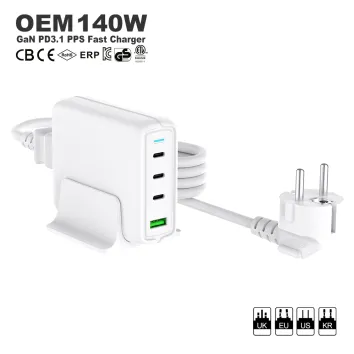
Leading manufacturers offer brand customization — logos, packaging, power maps — and support multi-country plug types, optimizing global deployment.
For buyers evaluating long-term supply stability, working with an established charger factory can significantly reduce product risk. Manufacturers like Zonsan, with dedicated R&D teams and multi-protocol PD/GaN expertise, often provide better firmware tuning, thermal optimization, and certification support compared with generic sourcing channels.
FAQ – Next-Gen USB-C Fast Chargers
Q1: What’s the difference between PD 3.0 and PD 3.1?
PD 3.1 adds Extended Power Range (EPR) support up to 240W, ideal for laptops and high-power hubs.
Q2: Are GaN chargers safe for continuous multi-device charging?
Yes. Advanced thermal and safety protection circuits are integral to certified PD desk chargers.
Q3: Do desk chargers support older devices?
Yes. They fall back to standard PD or legacy protocols for devices that don’t negotiate higher power.
Q4: What devices benefit most from PD 3.1 EPR chargers?
High-performance laptops, gaming notebooks, USB-C monitors, docking stations, and creators’ equipment requiring stable power above 100W benefit the most.
Q5: Can a multi-port charger deliver full power to all ports simultaneously?
Not always. Most chargers use dynamic power distribution, meaning total output is shared depending on connected devices and negotiated PD profiles.
Q6: Why does my laptop show “Slow Charging” even with a 100W charger?
Possible causes include cable limitations (3A vs 5A), PD negotiation fallback, device thermal control, or charger power allocation across multiple ports.
Q7: Are GaN chargers more reliable for desk setups?
Yes. GaN designs typically offer higher efficiency and lower heat generation, improving stability during extended multi-device charging sessions.
Q8: Do desk chargers replace traditional laptop adapters?
For many users, yes. A properly designed 65W–140W PD desk charger can power laptops, tablets, and phones from a single compact unit.
Q9: What should distributors check before importing PD chargers?
Verify certifications (CE/FCC/RoHS/CB/etc.), PD protocol compliance, thermal performance reports, and consistent factory QC systems.
Read More
Read More
Read More