Proprietary Fast Charging vs Standard USB-PD Chargers
Many smartphone users today face the same dilemma: should you stick with your phone’s original proprietary fast charger (like SuperVOOC) or switch to a high-end USB-C PD charger from brands like Anker, UGREEN, Belkin or Zonsan?
This isn’t just a question about charging speed — it’s about battery health, heat generation, compatibility, and long-term device performance.
Here’s what users and technical standards tell us.↗
What’s the Difference Between Proprietary & USB-PD Charging?
🧠 Proprietary Fast Charging (e.g., SuperVOOC)
Proprietary charging systems (such as OPPO’s SuperVOOC or OnePlus Warp) use custom voltage/current communication and internal power conversion logic that differs from the USB Power Delivery (PD) standard. These technologies often:
· Deliver higher currents or custom voltage curves
· Shift voltage conversion into the charger brick
· Achieve ultra-fast charge rates (ex: up to 80–150W)
Require specific certified cables and phone handshake support to reach peak speed
📡 Standard USB-C Power Delivery (PD)
USB PD is a universal, standardized charging protocol supported across phones, laptops, tablets, and accessories. It negotiates power delivery between charger and device and dynamically adjusts voltage and current for safety and compatibility.
Does Using a Non-Original Charger Affect Battery Health?
🔋 Charging Speed & How the Phone Controls It
According to forum participants and battery technology experts:
· Your phone’s charging system limits the power drawn, regardless of the charger brand.
· Even if a charger can output 100W+, the phone may only draw what it’s designed to accept.
In Reddit discussions, users reported that using a third-party high-end USB-PD charger often results in slower charging and slightly warmer device surface compared to original SuperVOOC chargers — but not necessarily harmful behavior.
🔥 Heat Is More Important Than Power Numbers
Most battery wear is caused by heat and how often battery cycles go through full charge/discharge, not simply the charger you use.
Industry tests show that fast chargers gradually throttle and reduce output as the battery approaches high SOC (state of charge) to avoid overheating.
Many users in forums also note that:
· If a third-party PD charger causes the phone to run warm, the phone will throttle charging to protect battery
· Phones limit charging current under thermal stress, regardless of PD or proprietary mode
So charging with a USB-PD GaN charger won’t inherently degrade your battery faster — heat management and charge strategy matter more.
📊 Does Proprietary Charging Improve Battery Longevity?
There’s some evidence that proprietary systems like SuperVOOC — by shifting more power regulation into the charger itself — can reduce heat inside the phone and theoretically maintain a cooler battery during peak power delivery.
For example:
· SuperVOOC’s approach often keeps internal phone components cooler by performing heavy conversion in the brick.
· Some community feedback suggests proprietary chargers may feel “cooler” inside the phone, though measurements vary by device.
That said, the most important factors for battery longevity remain:
· Avoiding prolonged exposure to high temperatures
· Not always charging to 100%
· Reducing full charge/discharge cycles
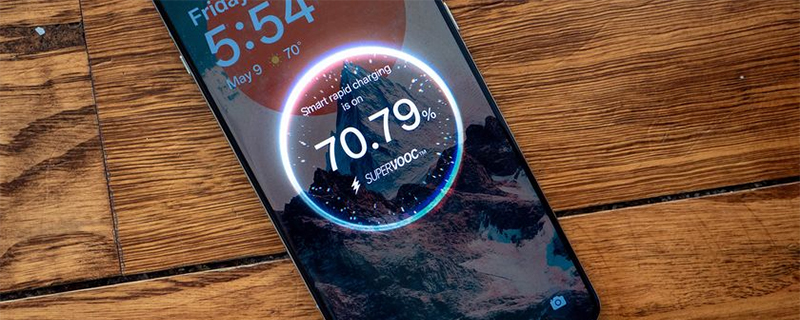
⚠️ Compatibility Considerations
Proprietary chargers (SuperVOOC, Warp, etc.) often only reach full fast charge speeds with the original charger and certified cable. Using cheap or uncertified “SuperVOOC” cables may:
· Fail to trigger proper fast charging
· Charge at reduced power
· Risk unstable current delivery and heat spikes
Standard USB-PD chargers have broader compatibility:
· Work with phones from many brands
· Also work with laptops, tablets, and accessories
· Fall back to basic charging if advanced protocol isn’t supported
Practical User Advice
To strike the right balance between performance and battery health:
🔹 Use the Original Fast Charger When:
· You want maximum fast charge speed
· You are in a hurry and battery heat stays within safe limits
· The charger and cable are certified for your specific device
🔹 Use a High-Quality USB-PD Charger When:
· You want universal compatibility
· You’re charging overnight or at your desk
· Heat feels excessive with proprietary fast charging
· You want one charger for multiple devices
· Your device accepts USB-PD at sufficiently high wattage
In many real-world cases, people use both: original for peak fast charging, and high-end PD chargers for daily or cooler charging.
Quick Summary: Battery Impact Reality Check
· Fast charging alone does not inherently damage the battery if the phone’s battery management system is functioning properly.
· Excessive heat and high voltage stress are the main accelerators of battery wear.
· Using high-end USB-PD or proprietary chargers both fall under safe charging as long as the phone’s internal protections are in play.
· Always use certified chargers and cables to ensure correct handshake and stable current.

FAQ 1: Will using a non-original charger void my battery warranty?
A: Manufacturers rarely void warranties simply for using a third-party charger, but they may require proof of genuine accessories if charging hardware causes damage.
FAQ 2: Can USB-PD ever match proprietary charging speeds?
A: On some phones, yes — with high-wattage PD chargers (e.g., 100W). But advanced proprietary protocols may still edge out peak speeds on compatible phones.
FAQ 3: Does slower charging mean better battery life?
A: In general, slower and cooler charging results in less thermal stress, which can be beneficial for long-term capacity retention.
FAQ 4: Why does my phone sometimes charge slower with a high-power third-party charger?
Even if a charger supports high wattage (like 65W or 100W), your phone may not accept that power unless the charging protocol fully matches. Many phones prioritize proprietary protocols first. When they don’t detect the expected handshake, they fall back to standard USB-PD or basic charging modes, which results in slower speeds.
FAQ 5: Can frequent switching between original and third-party chargers harm the battery?
No. Switching between chargers does not harm the battery by itself. Modern smartphones dynamically manage charging current and voltage in real time. As long as both chargers are certified and stable, the phone’s battery management system (BMS) adjusts automatically to protect battery health.
FAQ 6: Why do some phones heat up more with PD chargers than with original chargers?
In some proprietary fast-charging systems, more voltage conversion happens inside the charger, reducing heat inside the phone. With standard USB-PD chargers, part of the power conversion may occur inside the device, which can slightly increase internal temperature. This difference is usually small and still within safe limits.
FAQ 7: Is it better to avoid fast charging altogether to protect battery life?
Not necessarily. Fast charging itself is not the main issue — heat and high charge levels over time are. Using fast charging occasionally is fine. For better long-term battery health, many users choose slower or standard charging for overnight use and reserve fast charging for when they need quick power.