Samsung vs iPhone Charging Speed (2026): Which Charges Faster and What It Means for Charger Buyers (B2B)
Samsung flagship phones now charge significantly faster than iPhones.
The Samsung Galaxy S26 Ultra supports up to 60W wired fast charging, while the latest iPhone models typically charge at around 35–40W using USB-C Power Delivery. This allows Samsung devices to reach about 75% battery in 30 minutes, compared with slower charging speeds on most iPhones.
Because both brands rely on USB-C Power Delivery technology, compatible PD chargers and GaN chargers can power both ecosystems.
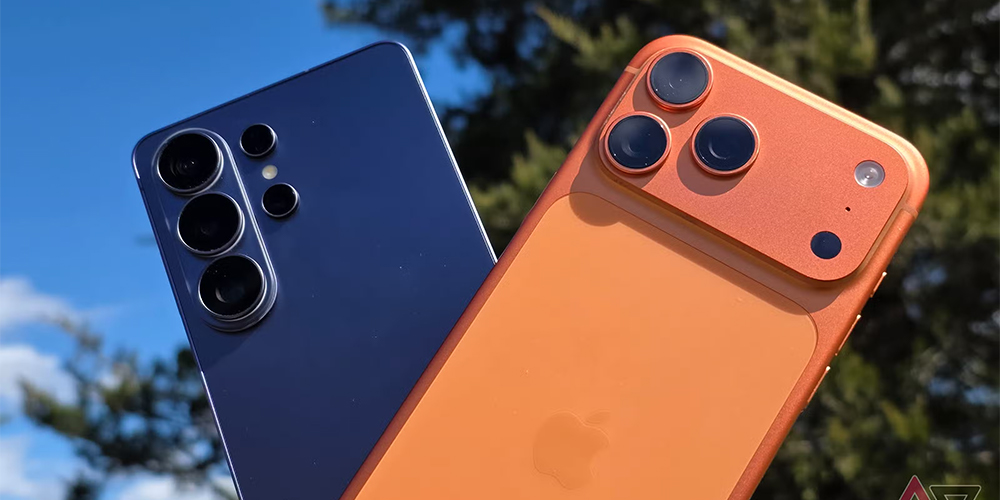
Samsung vs iPhone Charging Speed Overview
Fast charging has become one of the most important features in flagship smartphones.
Consumers expect their phones to recharge quickly during short breaks, which has pushed smartphone brands to increase charging power year after year.
Two companies dominate the premium smartphone market:
• Samsung
• Apple
But when it comes to charging speed, their strategies are very different.
Samsung tends to increase wattage faster, while Apple focuses on battery longevity and thermal control.
Charging Speed Comparison: Samsung vs iPhone
| Smartphone | Max Wired Charging |
| Samsung Galaxy S26 Ultra | 60W |
| Samsung Galaxy S26+ | 45W |
| Samsung Galaxy S26 | 25W |
| iPhone 17 Series | ~40W |
| iPhone 16 Series | ~35–40W |
| iPhone 15 Series | ~27–35W |
The Galaxy S26 Ultra currently offers the fastest charging among mainstream flagship phones, supporting up to 60W Super Fast Charging 3.0.
Apple’s newest iPhones support USB-C fast charging up to around 40W, which is an improvement over earlier models but still lower than Samsung’s flagship charging speed.
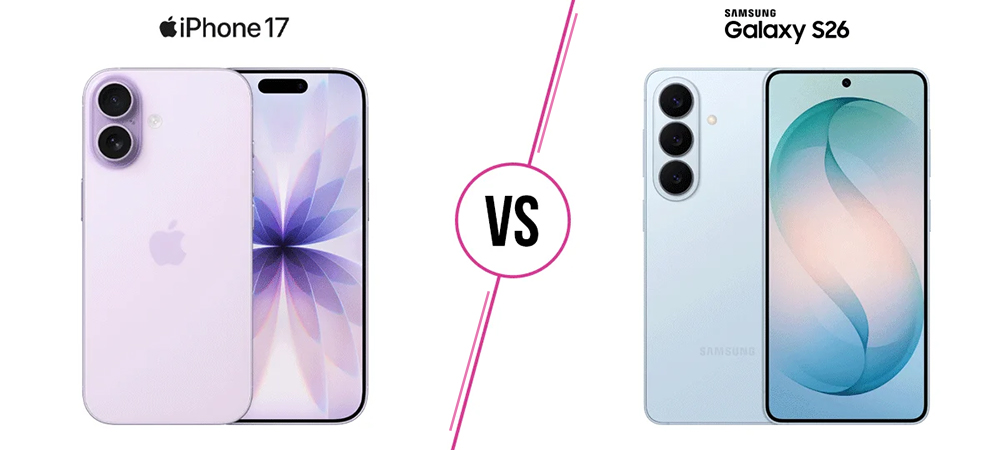
Real Charging Performance Comparison
Charging power alone does not determine actual charging time.
But testing shows clear differences between the two ecosystems.
Samsung Galaxy S26 Ultra
• 5000mAh battery
• 60W wired charging
• ~75% charge in about 30 minutes
• Full charge roughly under 50–60 minutes
iPhone Flagships
Typical charging performance:
• 0–50% around 30 minutes
• full charge around 75–90 minutes depending on model
Even with USB-C charging, iPhones generally charge slower than high-end Android flagships.
Why Samsung Phones Charge Faster
Samsung's faster charging speeds are possible because of several technologies.
1. Higher Charging Wattage
The Galaxy S26 Ultra supports 60W wired charging, the highest ever for a Galaxy S series phone.
Higher wattage means more energy flows into the battery in less time.
2. USB Power Delivery + PPS
Samsung uses USB Power Delivery with PPS (Programmable Power Supply).
PPS allows the charger to dynamically adjust voltage and current for:
• higher efficiency
• lower heat
• safer fast charging
Learn more about USB-C Power Delivery standards↗
3. Larger Battery Optimization
Samsung flagship phones typically have larger batteries (5000mAh) compared with iPhones.
Despite the larger capacity, they still charge faster due to higher charging wattage.
Why Apple Uses Slower Charging
Apple deliberately limits charging speed for several reasons.
Battery longevity
Lower charging power helps reduce battery degradation.
Thermal control
High-watt charging can generate heat, which may shorten battery lifespan.
Ecosystem stability
Apple prefers predictable charging behavior across all devices.
This design philosophy explains why Apple gradually increases charging speeds instead of adopting extremely high wattage.
What This Means for the Charger Industry
The competition between Samsung and Apple has significant implications for the global charger market.
As flagship phones increase charging power, consumers demand more capable chargers.
This trend is driving rapid growth in several product categories.
1. 60W PD Wall Chargers
Designed for smartphones like the Galaxy S26 Ultra.
These chargers typically support:
• USB-C PD 3.0 / PD 3.1
• PPS protocol
• 60W output
2. 65W GaN Chargers
GaN (Gallium Nitride) technology enables:
• smaller chargers
• higher efficiency
• multi-device charging
Many modern chargers can power:
• smartphones
• tablets
• laptops
—all from a single compact adapter.
3. 100W Multi-Port Chargers
These are becoming extremely popular among:
• travelers
• professionals
• remote workers
A single charger can power multiple USB-C devices simultaneously.

Why Charger Brands Focus on Samsung and iPhone Compatibility
According to the 2025 smartphone shipment rankings for Europe (excluding Russia), total shipments for the region reached 134.2 million units for the year—a year-on-year decline of 1%. Compared to the 2024 rankings, OPPO dropped out of the top five, with the domestic brand Honor taking its place. Apple ranked second, while Samsung maintained a commanding lead with a 35% market share, reaffirming its unshakeable dominance in the European market.
The following presents Omdia's smartphone analysis statistics regarding smartphone shipments and year-on-year growth rates in Europe (excluding Russia) for 2025.
Summarize
• Ranked first is Samsung, with shipments of 46.6 million units and a market share of 35%.
• Ranked second is Apple, with shipments of 36.9 million units and a market share of 27%.
• Ranked third is Xiaomi, with shipments of 21.8 million units and a market share of 16%.
For charger manufacturers and OEM suppliers, compatibility with Samsung and Apple devices is essential.
Most modern chargers now support:
• USB-C Power Delivery
• PPS fast charging
• multi-device power distribution
This allows one charger to power:
• Samsung Galaxy phones
• iPhones
• laptops
• tablets
• gaming devices
As a result, USB-C PD chargers have become the global standard for fast charging.

B2B Opportunity for Charger Brands and Distributors
The fast-charging ecosystem continues to expand.
Many global electronics brands source products from USB-C charger manufacturers and OEM fast charger factories.
Typical B2B products include:
• 60W smartphone chargers
• 65W GaN travel chargers
• 100W laptop chargers
• high-power USB-C cables
Companies working with experienced charger factories can launch:
• private-label chargers
• branded travel adapters
• customized fast-charging solutions
This strategy is widely used by consumer electronics brands selling through:
• Amazon
• telecom carriers
• retail chains
• e-commerce platforms.
Future Trend: Fast Charging in the Next Smartphone Era
Charging technology continues to evolve rapidly.
Industry experts expect several key trends:
• wider adoption of PD 3.1 charging
• more GaN charger designs
• higher-power multi-port chargers
• universal USB-C ecosystems
As flagship phones increase charging speeds, demand for high-efficiency fast chargers from professional charger manufacturers will continue growing worldwide.
Conclusion
The comparison between Samsung and iPhone charging speeds reveals two different strategies.
— Samsung focuses on faster charging power, reaching 60W in the Galaxy S26 Ultra.
— Apple prioritizes battery stability and gradual improvements, currently offering around 40W fast charging on newer iPhones.
For charger manufacturers, distributors, and electronics brands, this competition creates new opportunities in the global USB-C fast charging market.
As smartphone charging speeds continue to increase, demand for high-power PD chargers, GaN chargers, and multi-port travel chargers will only grow.
According to the 2025 smartphone shipment rankings for Europe (excluding Russia), total shipments for the region reached 134.2 million units for the year—a year-on-year decline of 1%. Compared to the 2024 rankings, OPPO dropped out of the top five, with the domestic brand Honor taking its place. Apple ranked second, while Samsung maintained a commanding lead with a 35% market share, reaffirming its unshakeable dominance in the European market.
The following presents Omdia's smartphone analysis statistics regarding smartphone shipments and year-on-year growth rates in Europe (excluding Russia) for 2025.
| Mobile Phone Brands | 2025 Shipment Volume (Millions) | 2025 Market Share | 2024 Shipment Volume (Millions) | 2024 Market Share | Annual Growth Rate |
| Samsung | 46.6 | 35% | 46.4 | 34% | 0% |
| iPhone | 36.6 | 27% | 34.9 | 26% | 6% |
| Xiaomi(Redmi & POCO) | 21.8 | 16% | 22.2 | 16% | -1% |
| Motorola | 7.7 | 6% | 8.0 | 6% | -5% |
| Honor | 3.8 | 3% | 3.7 | 3% | 4% |
| Other | 17.4 | 13% | 20.9 | 15% | -17% |
| Total | 134.2 | 100% | 136.1 | 100% | -1% |
* Source: Omdia Smartphone Horizon Service, Shipments, February 2026
Summarize
• Ranked first is Samsung, with shipments of 46.6 million units and a market share of 35%.
• Ranked second is Apple, with shipments of 36.9 million units and a market share of 27%.
• Ranked third is Xiaomi, with shipments of 21.8 million units and a market share of 16%.
For charger manufacturers and OEM suppliers, compatibility with Samsung and Apple devices is essential.
Most modern chargers now support:
• USB-C Power Delivery
• PPS fast charging
• multi-device power distribution
This allows one charger to power:
• Samsung Galaxy phones
• iPhones
• laptops
• tablets
• gaming devices
As a result, USB-C PD chargers have become the global standard for fast charging.
B2B Opportunity for Charger Brands and Distributors
The fast-charging ecosystem continues to expand.
Many global electronics brands source products from USB-C charger manufacturers and OEM fast charger factories.
Typical B2B products include:
• 60W smartphone chargers
• 65W GaN travel chargers
• 100W laptop chargers
• high-power USB-C cables
Companies working with experienced charger factories can launch:
• private-label chargers
• branded travel adapters
• customized fast-charging solutions
This strategy is widely used by consumer electronics brands selling through:
• Amazon
• telecom carriers
• retail chains
• e-commerce platforms.
Future Trend: Fast Charging in the Next Smartphone Era
Charging technology continues to evolve rapidly.
Industry experts expect several key trends:
• wider adoption of PD 3.1 charging
• more GaN charger designs
• higher-power multi-port chargers
• universal USB-C ecosystems
As flagship phones increase charging speeds, demand for high-efficiency fast chargers from professional charger manufacturers will continue growing worldwide.
Conclusion
The comparison between Samsung and iPhone charging speeds reveals two different strategies.
— Samsung focuses on faster charging power, reaching 60W in the Galaxy S26 Ultra.
— Apple prioritizes battery stability and gradual improvements, currently offering around 40W fast charging on newer iPhones.
For charger manufacturers, distributors, and electronics brands, this competition creates new opportunities in the global USB-C fast charging market.
As smartphone charging speeds continue to increase, demand for high-power PD chargers, GaN chargers, and multi-port travel chargers will only grow.