What Causes Phone Chargers to Explode? 2026 Safety Guide and How to Handle It Safely
💡 Note: Charger explosions are rare, but when they happen, they’re often due to preventable issues such as poor quality components, overheating, or electrical faults.
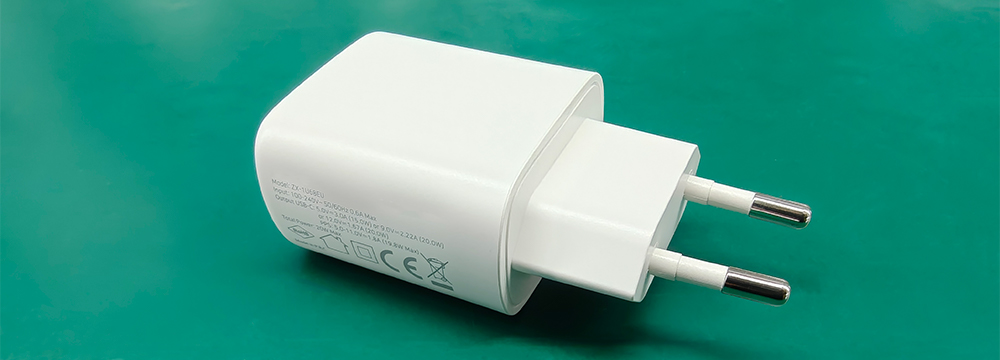
What Does “Charger Explosion” Really Mean?
In most cases, a “charger explosion” isn’t a huge blast like in movies — it’s usually the result of thermal runaway or a rapid increase in temperature that leads to sparks, fire, melting plastic, or bursting of internal components. This can sometimes feel like an explosion or fire hazard.
Common Causes of Charger Explosions
1. Low-Quality or Counterfeit Chargers
Cheap, uncertified mobile phone chargers or wall chargers often cut corners on safety components, insulation, and thermal design. These low-quality units are far more likely to overheat, short circuit, or fail in ways that cause sparks or fire.
How to avoid it:
· Buy chargers from reputable brands or OEM factory suppliers
· Look for safety certifications like CE, UL, FCC, or UKCA
· Avoid chargers with misspellings or unusually light weight
2. Overheating from Continuous Use
Even good chargers can generate heat. But leaving a smartphone fast charger or USB charger plugged in continuously — especially with the phone in a soft surface like a bed, pillow, or blanket — traps heat and increases risk. Trapped heat contributes to battery stress, swelling, and thermal buildup.
Tip:
· Always charge on a hard, flat surface and unplug when not in use.
· Avoid using your phone while it’s charging, as this increases heat output.
· Keep chargers away from direct sunlight or heat sources.
3. Power Surges and Electrical Faults
A sudden voltage spike from unstable power sources, electrical grid fluctuations, or lightning strikes can overwhelm a charger’s circuitry. Chargers without built-in surge protection are particularly vulnerable.
Best practice:
· Use a surge protector or choose chargers with internal voltage regulation.
· Avoid charging during storms or power fluctuations.
· Consider a charger with built-in safety mechanisms to regulate voltage.
4. Frayed or Damaged Cables
Charging cables also play a critical role. A frayed or damaged USB-C or Type-C charger cable can expose wires, lead to short circuits, and increase risk of sparks or fire.
Replacement rule:
· Replace damaged cables immediately with certified replacements.
· Store cables properly—do not use charging cables with exposed wires.
5. Incorrect Voltage or Poor Matching
If a charger delivers incorrect or unstable voltage relative to your device’s requirements, the battery may experience stress that increases heat and risk. Chargers that aren’t matched properly to device specifications can contribute to dangerous conditions.
6. Environmental and Usage Mistakes
Charging in extremely hot environments, using the phone during charging while running heavy apps (like games or video streaming), or covering the phone and charger with blankets can all trap heat and increase explosion risk.
Real-World Alerts and Safety Incidents
Several safety authorities have issued warnings related to faulty chargers. For example, the U.S. Consumer Product Safety Commission (CPSC) warned consumers to stop using certain universal battery chargers that were linked to fire and burn injuries — emphasizing the potential risks of incompatible or poorly designed chargers.
Signs Your Charger Might Be Unsafe
Watch out for these warning signs:
· Charger feels excessively hot to the touch
· Buzzing or crackling sounds coming from the charger
· Burning or chemical smells
· Smoke, sparks, or melting plastic
· Slow, inconsistent charging performance
These can indicate internal damage or impending failure.

Safe Charging Practices to Prevent Explosions
To minimize risk and ensure safe charging:
✔ Use Certified Chargers
Choose mobile phone chargers and USB-C chargers that are properly certified and matched to your device’s power needs.
✔ Unplug When Not in Use
Avoid leaving chargers plugged in 24/7, especially overnight or when the phone is fully charged.
✔ Charge on Hard Surfaces
Charging on beds, pillows, or soft materials traps heat and raises risk.
✔ Avoid Heavy Usage While Charging
Running power-intensive apps while charging increases internal temperature and battery stress.
✔ Replace Damaged Cables or Chargers
Frayed cables, bent connectors, or visibly damaged chargers should be replaced immediately.
The Safest Way to Charge Your Phone
While phone chargers exploding isn’t a daily occurrence, the risk is real enough that choosing safe, high-quality accessories matters. Investing in well-built, USB-IF-certified chargers and cables can prevent overheating and electrical failures.
If you want a durable, safe, and fast-charging solution, products like the Zonsan GaN Charger series and Zonsan Cable are designed to protect against surges, overheating, and wear-and-tear damage. They ensure your phone gets the power it needs—without the risks.
Quick Summary: What Causes Phone Chargers to Explode
· Poor quality or counterfeit chargers lack safety protections.
· Overheating due to continuous use or poor ventilation can trigger thermal issues.
· Power surges or electrical faults can cause internal failures.
· Damaged cables may short circuit and overheat.
· Incorrect voltage or mismatched chargers can stress a battery.
FAQ — Charger Safety & Explosion Risks
Q: Can fast chargers cause my phone to explode?
Fast charging itself does not cause explosions; unsafe chargers lacking proper heat management and safety protections are the real risk.
Q: Is it safe to charge my phone overnight?
Charging overnight increases heat buildup and risk, especially with cheap or uncertified chargers. It’s safer to unplug once fully charged.
Q: Do authentic branded chargers still explode?
While rare, even branded chargers can fail due to electrical faults or environmental factors — but certified chargers with built-in protections are much safer.
Q: Can using the phone while charging cause explosion?
Using a phone during charging increases overall heat, which can worsen battery stress and contribute to unsafe conditions if combined with other risk factors.
Q: How do I know if my charger is safe?
A safe charger will have proper safety marks (CE, UL, FCC, UKCA), stable charging performance, and remain warm but not hot during use.
Q: Should I replace old or damaged chargers?
Yes — frayed cables, damaged plugs, and old chargers without protective circuitry should be replaced with certified chargers to prevent overheating and fire risks.