GaN vs SiC vs Silicon Chargers: Which Technology Is Best for Fast Charging in 2026?
⭐ Featured Snippet
GaN, SiC, and silicon are semiconductor materials used in chargers. GaN chargers are compact and efficient, ideal for consumer electronics. SiC is better for high-power industrial systems, while silicon is the traditional, lower-cost option. For fast charging devices like phones and laptops, GaN is currently the best choice.
Introduction
When choosing a USB-C charger, PD charger, or laptop charger, most people focus on wattage.
But behind every phone charger or wall charger is a core technology that defines performance:
👉 the semiconductor material.
Today, three main technologies dominate:
• Silicon (Si)
• Gallium Nitride (GaN)
• Silicon Carbide (SiC)
Understanding the difference is essential—not just for consumers, but also for charger manufacturers, OEM suppliers, and B2B buyers.
What Are GaN, SiC, and Silicon?
Silicon (Traditional Technology)
Silicon has been used for decades in phone chargers and wall chargers.
It is:
• traditional semiconductor
• widely used in older chargers
• lower cost but limited efficiency
It also has limitations in heat.
GaN1 GaN2 GaN3 GaN4 (Next-Generation Charging Material)
GaN is a modern semiconductor that enables:
• higher switching frequency
• smaller charger size
• better energy efficiency
👉 If you want a deeper technical explanation: GaN technology enables smaller, faster, and cooler chargers compared to traditional designs.↗
SiC (High-Power Specialist)
SiC is designed for extreme power scenarios such as:
• electric vehicles
• industrial power systems
• less common in consumer chargers
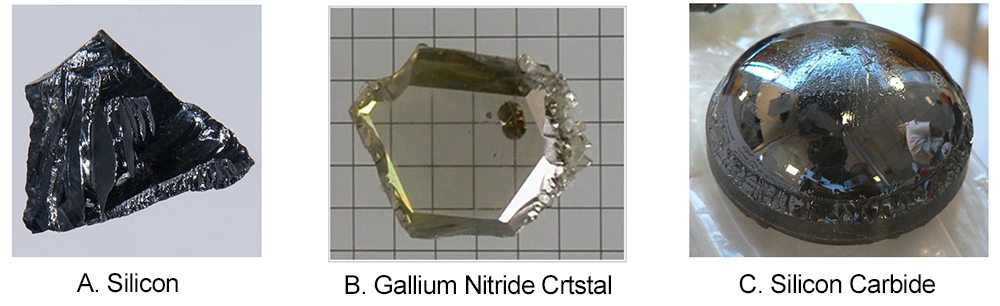
GaN vs SiC vs Silicon: Core Differences
| Feature | GaN | SiC | Silicon |
| Efficiency | High | Very High | Moderate |
| Size | Compact | Medium | Larger |
| Heat | Low | Very Low | Higher |
| Cost | Medium | High | Low |
| Best Use | Consumer chargers | Industrial / EV | Basic chargers |
GaN is best for fast consumer charging, SiC for high-power industrial use, and silicon for low-cost basic chargers.
👉 Extracurricular Knowledge: What makes SiC and GaN suitable for high-power designs?↗
👉 Extracurricular Knowledge: What makes SiC and GaN suitable for high-power designs?↗
Why GaN Dominates Consumer Fast Charging
1. Smaller & More Portable
• GaN allows:
• compact USB-C charger design
• travel-friendly chargers
2. Higher Efficiency
Less energy loss = faster charging.
👉 Especially in:
• 65W charger
• 100W charger
• 140W PD3.1 charger
3. Lower Heat
Heat is the #1 reason chargers fail.
Heat reduction means:
• safer charging
• longer lifespan
👉 "Understanding how fast charging actually works helps explain why GaN is more efficient.↗"
Why SiC Is Not Common in Phone Chargers
SiC is powerful—but not practical for small devices.
Used mainly in:
• electric vehicles
• solar systems
• industrial power supplies
👉 Reason:
• higher cost
• larger system requirements
• overkill for smartphones
👉 GaN and SiC are both wide-bandgap semiconductors, but they serve different power ranges.
Silicon Chargers: Still Relevant?
Yes—but limited.
Advantages:
• low cost
• mature technology
Disadvantages:
• larger size
• more heat
• lower efficiency
👉 Mostly found in:
• older USB chargers
• low-power adapters
Real-World Charging Comparison
📱 Smartphones
Silicon → slower, hotter
GaN → faster, cooler
SiC → rarely used
💻 Laptops
Silicon → bulky chargers
GaN → compact high-power chargers
SiC → niche usage
Zonsan Engineering Insight
As a professional charger manufacturer, Zonsan has transitioned from traditional silicon designs to advanced GaN-based architectures.
This enables:
• higher power density
• improved efficiency
• compact fast charger designs

OEM Charger Factory Perspective
For brands and distributors sourcing chargers:
Choosing the right semiconductor technology directly impacts:
• product competitiveness
• safety performance
• user experience
👉 Recommended strategy:
• Entry-level → silicon
• Mid/high-end → GaN
• Industrial → SiC
Zonsan Factory Capability
Zonsan provides OEM & ODM services focused on GaN fast chargers and USB-C PD solutions (20W–140W).
With strong R&D and certified production, Zonsan supports global clients in building:
• high-performance charger product lines
• compact fast charging solutions
• compliant products for EU, Korea, and global markets
Which Charger Should You Choose?
For Consumers
👉 Choose GaN if you want:
• fast charging
• portability / Smaller size
• better efficiency
For B2B Buyers
👉 Choose based on positioning:
• budget line → silicon
• premium line → GaN
• industrial → SiC
Conclusion
While silicon laid the foundation, and SiC powers the future of heavy industries—
👉 GaN is currently the best choice for fast charging.
It offers the perfect balance of:
✔ size ✔ efficiency ✔ performance

FAQ (People Also Ask)
Q1: What is the difference between GaN and SiC? Which is better: GaN or SiC?
GaN is used for compact consumer chargers, while SiC is used for high-power industrial applications.
Q2: Is GaN better than silicon?
Yes, GaN is more efficient, smaller, and generates less heat.
Q3: Why is SiC not used in phone chargers?
Because it is more expensive and designed for higher power systems.
Q4: Which is better for fast charging?
GaN is currently the best for fast charging devices.
Q5: Are GaN chargers worth it?
Yes, especially for fast charging and portability.
Q6: Are GaN chargers safe?
Yes, when built with proper protection systems.
Q7: Do GaN chargers last longer?
Yes, due to lower heat and higher efficiency.
Q8: Is silicon outdated?
Not completely, but it is less efficient than GaN.
Q9: Will SiC replace GaN?
Unlikely in consumer electronics—each has different use cases.
Q10: Why is SiC expensive?
Due to material cost and high-power application design.