GaN 1 vs GaN 2 vs GaN 3: Understanding the Differences
The charger industry has changed significantly in recent years. Traditional silicon-based chargers are gradually being replaced by smaller, faster, and more efficient GaN chargers. As demand for compact high-power charging continues to grow, technologies such as GaN 1, GaN 2, and GaN 3 have become common terms in the fast charger market.
However, many consumers and even professional buyers still have questions:
• What is the difference between GaN 1, GaN 2, and GaN 3?
• Is a GaN 3 charger always better than a GaN 2 charger?
• Which GaN charger technology is suitable for smartphones, tablets, or laptops?
• Should brands choose GaN 2 or GaN 3 when developing new charging products?
The answer is not simply about choosing the newest technology. Each generation of GaN technology brings different improvements in efficiency, thermal management, power density, and product design.
For charger brands, distributors, and OEM buyers, understanding these differences helps make better decisions when selecting a GaN charger manufacturer and developing products for different markets.
In this guide, we will explain the differences between GaN 1 vs GaN 2 vs GaN 3, compare their advantages, and help you choose the right GaN charging solution.
Quick Answer: GaN 1 vs GaN 2 vs GaN 3
If you need a quick comparison:
| Technology | Main Improvement | Typical Power Range | Best Application |
| GaN 1 | First generation GaN power technology | 20W-65W | Compact phone chargers |
| GaN 2 | Improved efficiency and thermal performance | 30W-100W | USB-C PD chargers, tablets, laptops |
| GaN 3 | Higher power density and advanced charging design | 65W-240W | High-power laptop chargers and multi-port chargers |
In simple terms:
• GaN 1 introduced smaller and more efficient chargers.
• GaN 2 improved performance and became the mainstream technology for modern fast chargers.
• GaN 3 focuses on higher power output, better thermal control, and ultra-compact high-power charging solutions.
For most users today, a GaN 2 or GaN 3 charger provides the best balance between size, efficiency, and performance.
• GaN 1 introduced smaller and more efficient chargers.
• GaN 2 improved performance and became the mainstream technology for modern fast chargers.
• GaN 3 focuses on higher power output, better thermal control, and ultra-compact high-power charging solutions.
For most users today, a GaN 2 or GaN 3 charger provides the best balance between size, efficiency, and performance.
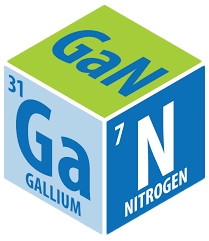
What Is GaN Charger Technology?
GaN stands for Gallium Nitride, a semiconductor material that can switch electrical power more efficiently than traditional silicon components.
For decades, most chargers used silicon-based power devices. While silicon technology is reliable and affordable, it has limitations when chargers require higher power output in smaller sizes.
GaN technology solves many of these limitations.
Compared with traditional silicon chargers, GaN chargers offer:
• Higher power conversion efficiency
• Less energy loss
• Lower heat generation
• Smaller charger size
• Higher power density
• Better support for high-power USB-C charging
This is why GaN technology has become widely used in:
• USB-C PD chargers
• Laptop chargers
• Multi-port fast chargers
• Travel chargers
• Desktop charging stations
A modern GaN fast charger can deliver high output power while maintaining a much smaller form factor compared with older charger designs.
For example:
A traditional 65W silicon charger may require a larger housing.
A 65W GaN charger can achieve similar or better performance in a more compact design.
This advantage is especially important for portable electronics where users want one small charger to replace multiple adapters.
Silicon Charger vs GaN Charger: What Is the Difference?
Before comparing GaN generations, it is important to understand why GaN chargers became popular.
Silicon Charger vs GaN Charger Comparison
| Feature | Silicon Charger | GaN Charger |
| Semiconductor Material | Silicon | Gallium Nitride |
| Efficiency | Standard | Higher |
| Heat Generation | More heat loss | Better thermal performance |
| Size | Larger | More compact |
| Power Density | Lower | Higher |
| High Power Charging | Limited | Excellent |
| Laptop Charging | Requires larger adapter | Smaller USB-C PD solutions |
The biggest advantage of GaN is higher switching efficiency.
Inside a charger, power conversion happens through high-frequency switching. Faster switching allows engineers to reduce the size of internal components such as transformers and inductors.
As a result, GaN chargers can achieve:
• Smaller dimensions
• Higher output power
• Better energy efficiency
This is why GaN technology has become an important foundation for modern PD fast chargers.
Why Are GaN Chargers Becoming More Popular?
The growth of GaN chargers is closely related to changes in consumer electronics.
Today, users commonly carry multiple devices:
• Smartphones, Tablets, Wireless earbuds, Smart watches, Portable gaming devices, Laptops
Traditional chargers often require different adapters for different devices.
A high-power GaN charger can replace several chargers with one compact solution.
For example:
A 65W GaN USB-C charger can typically support:
• Smartphone fast charging
• Tablet charging
• Lightweight laptop charging
A 100W or 140W GaN charger can support:
• High-performance laptops
• Multiple USB-C devices
• Professional mobile workstations
This trend has increased demand for advanced GaN charging products among:
• Consumer electronics brands
• Retailers
• E-commerce sellers
• Charger distributors
• OEM customers
Understanding GaN Generations: GaN 1, GaN 2, and GaN 3
Although GaN generations are often used as marketing terms, each generation represents improvements in semiconductor performance and charger design.
The evolution can be summarized as:
GaN 1 → Smaller and more efficient chargers
↓
GaN 2 → Better efficiency, heat control, and higher power
↓
GaN 3 → Higher power density and advanced charging applications
However, the GaN chip itself is only one part of a charger.
The final performance also depends on:
• Circuit design
• Transformer technology
• PCB layout
• Thermal management
• Power management IC
• Charging protocols
A well-designed GaN 2 charger can sometimes outperform a poorly designed GaN 3 charger.
For professional buyers, choosing an experienced GaN charger manufacturer is just as important as selecting the latest GaN technology.
GaN 1: The First Generation of GaN Charger Technology: The Begining of a Revolution
GaN 1 represents the early stage of commercial GaN charger development. Introduced in 2018, GaN 1 is the first commercially available GaN-based charger technology. It odders an alternative to silicon-based chargers, enabling devices to handle higher voltages and temperatures; smaller size, faster charging, and energy waste. It introduced the advantages of gallium nitride semiconductor technology into consumer charging products and changed the traditional charger design approach.
Before GaN chargers became popular, most compact chargers were limited by silicon-based components. Increasing power output usually meant increasing the charger size and adding more thermal management solutions.
GaN 1 technology improved this situation by allowing manufacturers to design smaller and more efficient chargers.
Key Features of GaN 1 Chargers
The main advantages of GaN 1 include:
1. Smaller Charger Size
The first generation of GaN chargers achieved a significant reduction in size compared with traditional silicon chargers.
This made GaN 1 especially suitable for:
• Smartphone chargers
• Travel adapters
• Compact USB-C chargers
Typical products included:
• 20W GaN chargers
• 30W GaN chargers
• 45W GaN chargers
• 65W GaN chargers
2. Improved Charging Efficiency
GaN semiconductor materials have higher electron mobility compared with silicon.
This allows chargers to:
• Switch faster
• Reduce energy loss
• Generate less heat
As a result, GaN 1 chargers provided better efficiency compared with traditional charging solutions.
3. Introduction of Compact High-Speed Charging
GaN 1 helped accelerate the adoption of:
• USB-C charging
• Power Delivery (PD)
• Compact fast chargers
Many early GaN chargers focused on smartphone and tablet applications.
However, as device power requirements increased, GaN 1 technology faced limitations in:
• Higher wattage output
• Multi-device charging
• Thermal management under heavy loads
This created the demand for improved GaN generations.
GaN 2: The Mainstream Technology for Modern Fast Chargers: Smarter and More Efficient
GaN 2 is currently one of the most widely used GaN technologies in the fast charging market. GaN 2 builds on GaN 1, solving heat dissipation and compatibility issues. GaN 2 chargers were released around 2020, intriducing more advanced chip design and better circuit integration.
It improved upon the limitations of first-generation GaN chargers by providing better efficiency, higher power density, and improved thermal performance.
For many charger manufacturers and brands, GaN 2 became the preferred solution for developing mainstream fast charging products.
Key Improvements of GaN 2 Chargers
1. Higher Power Output
One of the biggest improvements of GaN 2 technology is the ability to support higher power levels while maintaining a compact size.
GaN 2 chargers are commonly used for:
• 45W PD chargers
• 65W PD chargers
• 67W fast chargers
• 90W chargers
• 100W USB-C chargers
This makes GaN 2 suitable for:
• Smartphones, Tablets, Ultrabooks, Gaming devices, Portable monitors
2. Better Thermal Management
Heat control is one of the most important challenges in charger design.
When charger output increases, internal components generate more heat.
GaN 2 technology improves:
• Switching efficiency
• Power conversion performance
• Heat dissipation
This allows manufacturers to create smaller chargers without sacrificing reliability.
For example:
A 65W GaN 2 charger can provide laptop charging performance while remaining much smaller than many traditional laptop adapters.
3. Better Multi-Port Charging Support
Modern users often need to charge multiple devices simultaneously.
GaN 2 technology is commonly used in:
• Dual USB-C chargers
• USB-C + USB-A chargers
• Desktop charging stations
Typical applications include:
• 2-port 65W chargers
• 3-port 100W chargers
• 4-port desktop GaN chargers
This flexibility has made GaN 2 popular among consumer electronics brands and OEM customers.
GaN 3: The Latest Generation for High-Power Charging: Thr Cutting-Edge Innovation
GaN 3 represents the next step in GaN charger development. GaN 3 is the latest generation of GaN technology, with unmatched performance and efficiency. Released in 2020, this generation fo GaN 3 pushes the boundaries of performance whit enhanced features to meet the growing demands of modern electronics, achieving major leaps in design and functionality.
The focus of GaN 3 technology is not only smaller size but also:
• Higher power density
• Better efficiency
• Advanced thermal control
• Support for higher charging standards
GaN 3 is commonly associated with high-power charging solutions such as:
• 100W GaN chargers
• 120W GaN chargers
• 140W GaN chargers
• 240W USB-C PD chargers
Key Advantages of GaN 3 Chargers
1. Higher Power Density
Power density refers to how much charging power can be delivered within a specific physical size.
GaN 3 technology allows engineers to design:
• Smaller high-power adapters
• More powerful travel chargers
• Compact laptop charging solutions
This is especially valuable for users who want a single charger for all devices.
2. Better Support for PD 3.1 and EPR Charging
The introduction of USB-C PD 3.1 Extended Power Range (EPR) increased the maximum USB-C power capability.
Traditional chargers were not designed for these higher power requirements.
GaN 3 technology is better suited for:
• PD 3.1 chargers
• High-power laptops
• Professional workstations
• Gaming devices
Applications include:
• 140W laptop chargers
• 180W charging solutions
• 240W USB-C chargers
3. Advanced Multi-Device Charging
Modern consumers increasingly prefer one charger that can power multiple devices.
A GaN 3 charger can support:
• Laptop charging
• Smartphone fast charging
• Tablet charging
• Accessories charging
This makes high-power GaN chargers attractive for:
• Business travelers
• Professionals
• Technology enthusiasts
GaN 1 vs GaN 2 vs GaN 3 Comparison Table
Inside a charger, power conversion happens through high-frequency switching. Faster switching allows engineers to reduce the size of internal components such as transformers and inductors.
As a result, GaN chargers can achieve:
• Smaller dimensions
• Higher output power
• Better energy efficiency
This is why GaN technology has become an important foundation for modern PD fast chargers.
Why Are GaN Chargers Becoming More Popular?
The growth of GaN chargers is closely related to changes in consumer electronics.
Today, users commonly carry multiple devices:
• Smartphones, Tablets, Wireless earbuds, Smart watches, Portable gaming devices, Laptops
Traditional chargers often require different adapters for different devices.
A high-power GaN charger can replace several chargers with one compact solution.
For example:
A 65W GaN USB-C charger can typically support:
• Smartphone fast charging
• Tablet charging
• Lightweight laptop charging
A 100W or 140W GaN charger can support:
• High-performance laptops
• Multiple USB-C devices
• Professional mobile workstations
This trend has increased demand for advanced GaN charging products among:
• Consumer electronics brands
• Retailers
• E-commerce sellers
• Charger distributors
• OEM customers
Understanding GaN Generations: GaN 1, GaN 2, and GaN 3
Although GaN generations are often used as marketing terms, each generation represents improvements in semiconductor performance and charger design.
The evolution can be summarized as:
GaN 1 → Smaller and more efficient chargers
↓
GaN 2 → Better efficiency, heat control, and higher power
↓
GaN 3 → Higher power density and advanced charging applications
However, the GaN chip itself is only one part of a charger.
The final performance also depends on:
• Circuit design
• Transformer technology
• PCB layout
• Thermal management
• Power management IC
• Charging protocols
A well-designed GaN 2 charger can sometimes outperform a poorly designed GaN 3 charger.
For professional buyers, choosing an experienced GaN charger manufacturer is just as important as selecting the latest GaN technology.
GaN 1: The First Generation of GaN Charger Technology: The Begining of a Revolution
GaN 1 represents the early stage of commercial GaN charger development. Introduced in 2018, GaN 1 is the first commercially available GaN-based charger technology. It odders an alternative to silicon-based chargers, enabling devices to handle higher voltages and temperatures; smaller size, faster charging, and energy waste. It introduced the advantages of gallium nitride semiconductor technology into consumer charging products and changed the traditional charger design approach.
Before GaN chargers became popular, most compact chargers were limited by silicon-based components. Increasing power output usually meant increasing the charger size and adding more thermal management solutions.
GaN 1 technology improved this situation by allowing manufacturers to design smaller and more efficient chargers.
Key Features of GaN 1 Chargers
The main advantages of GaN 1 include:
1. Smaller Charger Size
The first generation of GaN chargers achieved a significant reduction in size compared with traditional silicon chargers.
This made GaN 1 especially suitable for:
• Smartphone chargers
• Travel adapters
• Compact USB-C chargers
Typical products included:
• 20W GaN chargers
• 30W GaN chargers
• 45W GaN chargers
• 65W GaN chargers
2. Improved Charging Efficiency
GaN semiconductor materials have higher electron mobility compared with silicon.
This allows chargers to:
• Switch faster
• Reduce energy loss
• Generate less heat
As a result, GaN 1 chargers provided better efficiency compared with traditional charging solutions.
3. Introduction of Compact High-Speed Charging
GaN 1 helped accelerate the adoption of:
• USB-C charging
• Power Delivery (PD)
• Compact fast chargers
Many early GaN chargers focused on smartphone and tablet applications.
However, as device power requirements increased, GaN 1 technology faced limitations in:
• Higher wattage output
• Multi-device charging
• Thermal management under heavy loads
This created the demand for improved GaN generations.
GaN 2: The Mainstream Technology for Modern Fast Chargers: Smarter and More Efficient
GaN 2 is currently one of the most widely used GaN technologies in the fast charging market. GaN 2 builds on GaN 1, solving heat dissipation and compatibility issues. GaN 2 chargers were released around 2020, intriducing more advanced chip design and better circuit integration.
It improved upon the limitations of first-generation GaN chargers by providing better efficiency, higher power density, and improved thermal performance.
For many charger manufacturers and brands, GaN 2 became the preferred solution for developing mainstream fast charging products.
Key Improvements of GaN 2 Chargers
1. Higher Power Output
One of the biggest improvements of GaN 2 technology is the ability to support higher power levels while maintaining a compact size.
GaN 2 chargers are commonly used for:
• 45W PD chargers
• 65W PD chargers
• 67W fast chargers
• 90W chargers
• 100W USB-C chargers
This makes GaN 2 suitable for:
• Smartphones, Tablets, Ultrabooks, Gaming devices, Portable monitors
2. Better Thermal Management
Heat control is one of the most important challenges in charger design.
When charger output increases, internal components generate more heat.
GaN 2 technology improves:
• Switching efficiency
• Power conversion performance
• Heat dissipation
This allows manufacturers to create smaller chargers without sacrificing reliability.
For example:
A 65W GaN 2 charger can provide laptop charging performance while remaining much smaller than many traditional laptop adapters.
3. Better Multi-Port Charging Support
Modern users often need to charge multiple devices simultaneously.
GaN 2 technology is commonly used in:
• Dual USB-C chargers
• USB-C + USB-A chargers
• Desktop charging stations
Typical applications include:
• 2-port 65W chargers
• 3-port 100W chargers
• 4-port desktop GaN chargers
This flexibility has made GaN 2 popular among consumer electronics brands and OEM customers.
GaN 3: The Latest Generation for High-Power Charging: Thr Cutting-Edge Innovation
GaN 3 represents the next step in GaN charger development. GaN 3 is the latest generation of GaN technology, with unmatched performance and efficiency. Released in 2020, this generation fo GaN 3 pushes the boundaries of performance whit enhanced features to meet the growing demands of modern electronics, achieving major leaps in design and functionality.
The focus of GaN 3 technology is not only smaller size but also:
• Higher power density
• Better efficiency
• Advanced thermal control
• Support for higher charging standards
GaN 3 is commonly associated with high-power charging solutions such as:
• 100W GaN chargers
• 120W GaN chargers
• 140W GaN chargers
• 240W USB-C PD chargers
Key Advantages of GaN 3 Chargers
1. Higher Power Density
Power density refers to how much charging power can be delivered within a specific physical size.
GaN 3 technology allows engineers to design:
• Smaller high-power adapters
• More powerful travel chargers
• Compact laptop charging solutions
This is especially valuable for users who want a single charger for all devices.
2. Better Support for PD 3.1 and EPR Charging
The introduction of USB-C PD 3.1 Extended Power Range (EPR) increased the maximum USB-C power capability.
Traditional chargers were not designed for these higher power requirements.
GaN 3 technology is better suited for:
• PD 3.1 chargers
• High-power laptops
• Professional workstations
• Gaming devices
Applications include:
• 140W laptop chargers
• 180W charging solutions
• 240W USB-C chargers
3. Advanced Multi-Device Charging
Modern consumers increasingly prefer one charger that can power multiple devices.
A GaN 3 charger can support:
• Laptop charging
• Smartphone fast charging
• Tablet charging
• Accessories charging
This makes high-power GaN chargers attractive for:
• Business travelers
• Professionals
• Technology enthusiasts
GaN 1 vs GaN 2 vs GaN 3 Comparison Table
| Feature | GaN 1 | GaN 2 | GaN 3 |
| Technology Stage | First commercial generation | Improved mainstream generation | Latest high-performance generation |
| Main Focus | Smaller and more efficient chargers | Better efficiency and power output | Maximum power density |
| Efficiency | Good | Better | Excellent |
| Thermal Performance | Basic improvement | Advanced | Optimized |
| Typical Power Range | 20W-65W | 30W-100W | 65W-240W |
| Charger Size | Smaller than silicon | More compact | Ultra compact for high power |
| Smartphone Charging | Excellent | Excellent | Excellent |
| Tablet Charging | Good | Excellent | Excellent |
| Laptop Charging | Limited | Good | Excellent |
| Multi-Port Charging | Basic | Advanced | Advanced |
| PD Compatibility | PD 2.0/3.0 | PD 3.0 | PD 3.1/EPR |
| Best Application | Portable chargers | Mainstream fast chargers | High-power charging solutions |
Is GaN 3 Always Better Than GaN 2?
Many buyers assume newer technology automatically means better performance.
However, the answer depends on the application.
A GaN 3 charger is not always necessary for every user.
For example:
Smartphone Users
A 30W or 45W GaN charger is usually enough.
A GaN 2 charger can provide excellent performance.
Tablet and Ultrabook Users
A 65W GaN charger is often the ideal choice.
It provides:
• Fast charging
• Compact size
• Good efficiency
Laptop and Professional Users
A 100W, 140W, or 240W GaN charger may be more suitable.
GaN 3 technology provides advantages for:
• High-power laptops
• Multiple device charging
• Professional applications
How to Choose the Right GaN Charger?
The best GaN charger depends on your charging requirements.
For Smartphones
Recommended power:
20W-45W GaN charger
Suitable for:
• Daily phone charging
• Travel use
• Compact adapters
For Tablets and Small Laptops
Recommended power:
45W-65W GaN charger
Suitable for:
• Tablets
• Ultrabooks
• Portable monitors
A 65W PD charger is currently one of the most popular charging solutions in the market.
For Laptops and Multiple Devices
Recommended power:
100W-140W GaN charger
Suitable for:
• MacBook-class laptops
• Gaming laptops
• Professional devices
High-power products such as:
• 140W GaN chargers
• 240W PD chargers
are becoming increasingly popular among premium electronics users.
GaN Charger Manufacturing Considerations for Brands and Buyers
For brands, retailers, and distributors, selecting a GaN charger supplier involves more than choosing GaN technology.
A reliable charging product requires expertise in:
1. Circuit Design
Advanced PCB design affects:
• Efficiency, Stability, Safety, Product lifespan
2. Charging Protocol Support
Modern GaN chargers often require support for:
• USB PD, PD 3.1, PPS, QC, AFC, Other fast charging protocols
3. Safety Certifications
Global markets require different certifications, including:
• CE, RoHS, FCC, FCC, KC, CB, ETL, EAC, UKCA, BSCI and more.
A professional charger manufacturer should understand regional compliance requirements.
4. OEM and ODM Capability
For brands developing custom chargers, important factors include:
• Product design
• Private mold development
• Logo customization
• Packaging customization
• Color customization
• Firmware optimization
Choosing an experienced GaN charger manufacturer can significantly reduce development risks.
The Future of GaN Charger Technology
The demand for smaller and more powerful chargers will continue to grow.
Future GaN charger development will focus on:
• Higher power density
• Better thermal management
• More intelligent power distribution
• Smaller form factors
• Higher USB-C power output
With the growth of USB-C standardization and high-power charging requirements, GaN technology will continue to play an important role in the next generation of charging solutions.
Frequently Asked Questions About GaN 1 vs GaN 2 vs GaN 3
Q1: What is the difference between GaN 1, GaN 2, and GaN 3?
GaN 1 introduced gallium nitride technology into compact chargers. GaN 2 improved efficiency, heat control, and power output. GaN 3 focuses on higher power density and advanced high-power charging applications.
Q2: Is GaN 3 charger better than GaN 2 charger?
GaN 3 provides advantages for high-power applications such as 140W and 240W chargers. However, GaN 2 remains an excellent choice for most 30W-100W fast chargers.
Q3: Does GaN charger charge faster?
GaN technology itself does not automatically increase charging speed. Charging speed depends on charger power output, charging protocol, and device compatibility.
Q4: Is a GaN charger safe for smartphones?
Yes. A properly designed GaN charger with safety certifications is safe for smartphones, tablets, and other electronic devices.
Q5: Is a 65W GaN charger enough for a laptop?
For many ultrabooks and lightweight laptops, a 65W GaN charger is sufficient. Higher-performance laptops may require 100W or more.
Q6: What is the highest power GaN charger available?
Current USB-C PD technology supports chargers up to 240W. GaN technology is commonly used for these high-power charging solutions.
Q7: Should I choose GaN 2 or GaN 3 charger?
Choose GaN 2 for mainstream charging needs such as phones, tablets, and standard laptops. Choose GaN 3 for high-power devices and future-ready charging requirements.
Q8: Why are GaN chargers smaller than normal chargers?
GaN semiconductor components switch faster and operate more efficiently, allowing manufacturers to reduce component size and improve power density.
Conclusion: Choosing the Right GaN Charger Technology
GaN technology has transformed the charging industry by making chargers smaller, faster, and more efficient.
The difference between GaN 1, GaN 2, and GaN 3 mainly comes down to improvements in:
• Efficiency
• Power density
• Thermal performance
• High-power charging capability
For everyday charging:
• GaN 1 is suitable for basic compact chargers.
• GaN 2 is the mainstream choice for most fast charging products.
• GaN 3 is ideal for advanced high-power charging solutions.
For brands, distributors, and businesses looking for reliable charging products, selecting the right GaN charger manufacturer is just as important as choosing the latest technology.
A professional OEM/ODM partner can help develop customized GaN chargers from compact 20W adapters to powerful 240W USB-C charging solutions.
Need a customized GaN charger solution for your brand?
Contact Zonsan for OEM/ODM GaN charger development, including product design, certification support, customization, and mass production.
However, the answer depends on the application.
A GaN 3 charger is not always necessary for every user.
For example:
Smartphone Users
A 30W or 45W GaN charger is usually enough.
A GaN 2 charger can provide excellent performance.
Tablet and Ultrabook Users
A 65W GaN charger is often the ideal choice.
It provides:
• Fast charging
• Compact size
• Good efficiency
Laptop and Professional Users
A 100W, 140W, or 240W GaN charger may be more suitable.
GaN 3 technology provides advantages for:
• High-power laptops
• Multiple device charging
• Professional applications
How to Choose the Right GaN Charger?
The best GaN charger depends on your charging requirements.
For Smartphones
Recommended power:
20W-45W GaN charger
Suitable for:
• Daily phone charging
• Travel use
• Compact adapters
For Tablets and Small Laptops
Recommended power:
45W-65W GaN charger
Suitable for:
• Tablets
• Ultrabooks
• Portable monitors
A 65W PD charger is currently one of the most popular charging solutions in the market.
For Laptops and Multiple Devices
Recommended power:
100W-140W GaN charger
Suitable for:
• MacBook-class laptops
• Gaming laptops
• Professional devices
High-power products such as:
• 140W GaN chargers
• 240W PD chargers
are becoming increasingly popular among premium electronics users.
GaN Charger Manufacturing Considerations for Brands and Buyers
For brands, retailers, and distributors, selecting a GaN charger supplier involves more than choosing GaN technology.
A reliable charging product requires expertise in:
1. Circuit Design
Advanced PCB design affects:
• Efficiency, Stability, Safety, Product lifespan
2. Charging Protocol Support
Modern GaN chargers often require support for:
• USB PD, PD 3.1, PPS, QC, AFC, Other fast charging protocols
3. Safety Certifications
Global markets require different certifications, including:
• CE, RoHS, FCC, FCC, KC, CB, ETL, EAC, UKCA, BSCI and more.
A professional charger manufacturer should understand regional compliance requirements.
4. OEM and ODM Capability
For brands developing custom chargers, important factors include:
• Product design
• Private mold development
• Logo customization
• Packaging customization
• Color customization
• Firmware optimization
Choosing an experienced GaN charger manufacturer can significantly reduce development risks.
The Future of GaN Charger Technology
The demand for smaller and more powerful chargers will continue to grow.
Future GaN charger development will focus on:
• Higher power density
• Better thermal management
• More intelligent power distribution
• Smaller form factors
• Higher USB-C power output
With the growth of USB-C standardization and high-power charging requirements, GaN technology will continue to play an important role in the next generation of charging solutions.
Frequently Asked Questions About GaN 1 vs GaN 2 vs GaN 3
Q1: What is the difference between GaN 1, GaN 2, and GaN 3?
GaN 1 introduced gallium nitride technology into compact chargers. GaN 2 improved efficiency, heat control, and power output. GaN 3 focuses on higher power density and advanced high-power charging applications.
Q2: Is GaN 3 charger better than GaN 2 charger?
GaN 3 provides advantages for high-power applications such as 140W and 240W chargers. However, GaN 2 remains an excellent choice for most 30W-100W fast chargers.
Q3: Does GaN charger charge faster?
GaN technology itself does not automatically increase charging speed. Charging speed depends on charger power output, charging protocol, and device compatibility.
Q4: Is a GaN charger safe for smartphones?
Yes. A properly designed GaN charger with safety certifications is safe for smartphones, tablets, and other electronic devices.
Q5: Is a 65W GaN charger enough for a laptop?
For many ultrabooks and lightweight laptops, a 65W GaN charger is sufficient. Higher-performance laptops may require 100W or more.
Q6: What is the highest power GaN charger available?
Current USB-C PD technology supports chargers up to 240W. GaN technology is commonly used for these high-power charging solutions.
Q7: Should I choose GaN 2 or GaN 3 charger?
Choose GaN 2 for mainstream charging needs such as phones, tablets, and standard laptops. Choose GaN 3 for high-power devices and future-ready charging requirements.
Q8: Why are GaN chargers smaller than normal chargers?
GaN semiconductor components switch faster and operate more efficiently, allowing manufacturers to reduce component size and improve power density.
Conclusion: Choosing the Right GaN Charger Technology
GaN technology has transformed the charging industry by making chargers smaller, faster, and more efficient.
The difference between GaN 1, GaN 2, and GaN 3 mainly comes down to improvements in:
• Efficiency
• Power density
• Thermal performance
• High-power charging capability
For everyday charging:
• GaN 1 is suitable for basic compact chargers.
• GaN 2 is the mainstream choice for most fast charging products.
• GaN 3 is ideal for advanced high-power charging solutions.
For brands, distributors, and businesses looking for reliable charging products, selecting the right GaN charger manufacturer is just as important as choosing the latest technology.
A professional OEM/ODM partner can help develop customized GaN chargers from compact 20W adapters to powerful 240W USB-C charging solutions.
Need a customized GaN charger solution for your brand?
Contact Zonsan for OEM/ODM GaN charger development, including product design, certification support, customization, and mass production.